
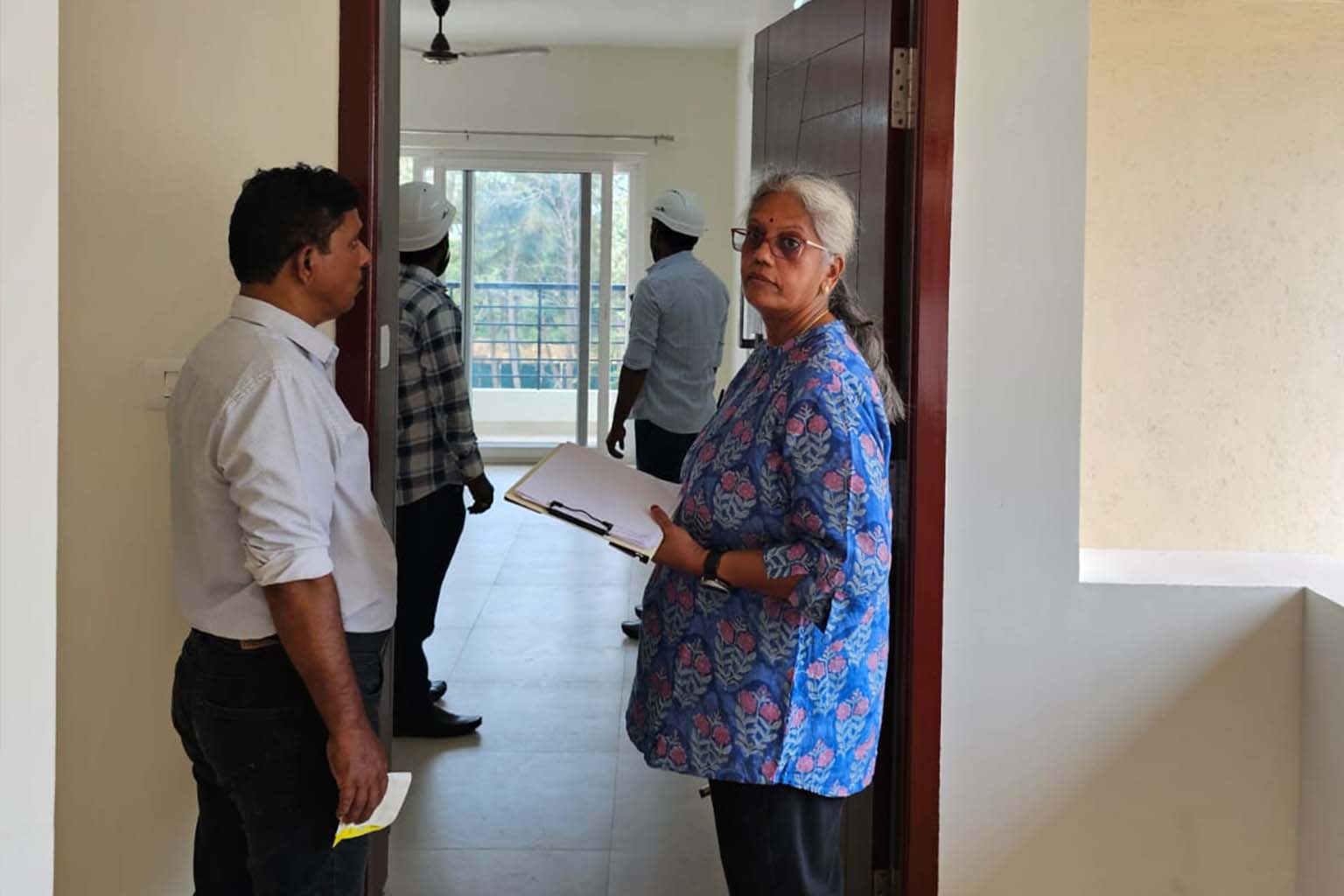

Buying a home is one of the largest financial decisions most people make, and in Chennai’s fast-moving property market, it’s easy to get swept up in the excitement of a new flat or villa without stepping back to verify what you’re actually paying for. A structured home inspection checklist gives buyers a repeatable way to catch defects before signing, rather than discovering them after the keys are in hand. Here’s the checklist we recommend every Chennai buyer walk through before finalizing a purchase.
Before You Even Visit: Documents to Request
Start by asking the seller or builder for the approved building plan, the occupancy certificate (for new construction), and any prior inspection or maintenance records if it’s a resale property. In Chennai, also confirm whether the property has CMDA or DTCP approval where applicable, this matters for both legal standing and future resale value. Having these documents in hand before your site visit lets you check the actual construction against what was approved on paper.
Structural Checks
Walk every room looking for visible cracks in walls and ceilings, paying particular attention to hairline cracks near door and window frames, which can indicate settlement issues. Check that floors are level, a ball or marble rolled across the floor will reveal any slope. Tap on wall and floor tiles listening for a hollow sound, which signals poor adhesion that will cause tiles to lift over time. In Chennai’s clay-soil-prone areas, foundation settlement is a real concern in older independent houses, so cracking patterns around the base of exterior walls deserve extra scrutiny.
Waterproofing and Dampness
This is arguably the single most important category for Chennai buyers, given the city’s coastal humidity and heavy monsoon rainfall. Check bathroom and kitchen walls for discoloration or a musty smell that suggests hidden moisture. Inspect the terrace and any balconies for waterproofing membrane condition and proper drainage slope toward outlets. Look under sinks and around water heater installations for old leak stains. If you’re viewing the property during or shortly after monsoon season, this is actually the best time to spot waterproofing failures that a dry-season viewing would miss entirely.
Electrical Systems
Test every switch and socket in the flat, not just a sample of them. Check the electrical panel for proper labeling, adequate circuit breakers, and signs of overheating like discoloration around switches. Confirm earthing is present and functional, this is a common shortcut taken by budget builders and can be a genuine safety hazard. Ask whether the wiring is copper (standard and expected in quality Chennai construction) rather than a cheaper aluminum alternative.
Plumbing
Run every tap and check water pressure, and flush every toilet to confirm proper flow and no leaks at the base. Check under-sink pipework for drips and corrosion. If the property relies partly on borewell water, ask about water quality and storage tank condition, since this is common across many Chennai neighborhoods including parts of OMR and Sholinganallur where municipal supply can be inconsistent.
Doors, Windows and Fittings
Open and close every door and window to check alignment and smooth operation, misaligned frames often indicate structural movement. Check window seals for gaps that would let in rain during Chennai’s monsoon months. Verify that all fittings mentioned in the sale agreement (modular kitchen, wardrobes, fixtures) are actually installed and in the condition promised.
Common Areas and Building Systems (For Apartments)
If you’re buying into an apartment complex, extend your checklist to shared areas: lift maintenance records, generator backup functioning, water tank cleanliness, fire safety equipment presence, and general upkeep of common corridors and parking areas. These tell you a lot about how well the association or builder maintains the property long-term, which affects your quality of life and resale value just as much as your own unit’s condition.
Chennai-Specific Considerations
Buyers across neighborhoods like Nanganallur, T Nagar, Nungambakkam, Velachery and the OMR/ECR corridor should factor in area-specific risks: coastal salt-air corrosion on metal fixtures near ECR, monsoon flooding history in low-lying pockets, and construction quality variance in rapidly developed outer areas. A generic checklist built for a different climate will miss these local defect patterns.
Why a Professional Inspection Still Matters
This checklist gives you a strong starting point, but a trained inspector brings tools most buyers don’t have, moisture meters, thermal imaging cameras, and the experience to recognize which cracks are cosmetic and which signal real structural risk. Combining your own walkthrough with a professional inspection before signing gives you the strongest possible negotiating position and peace of mind.
Book Your Professional Home Inspection in Chennai
Snagmash 360 offers detailed, independent home inspections across Chennai, covering every item on this checklist and more, with a documented photo report you can use directly in negotiations with your builder or seller.
Ready to inspect before you buy? Contact Snagmash 360 today to schedule a comprehensive home inspection anywhere in Chennai.