
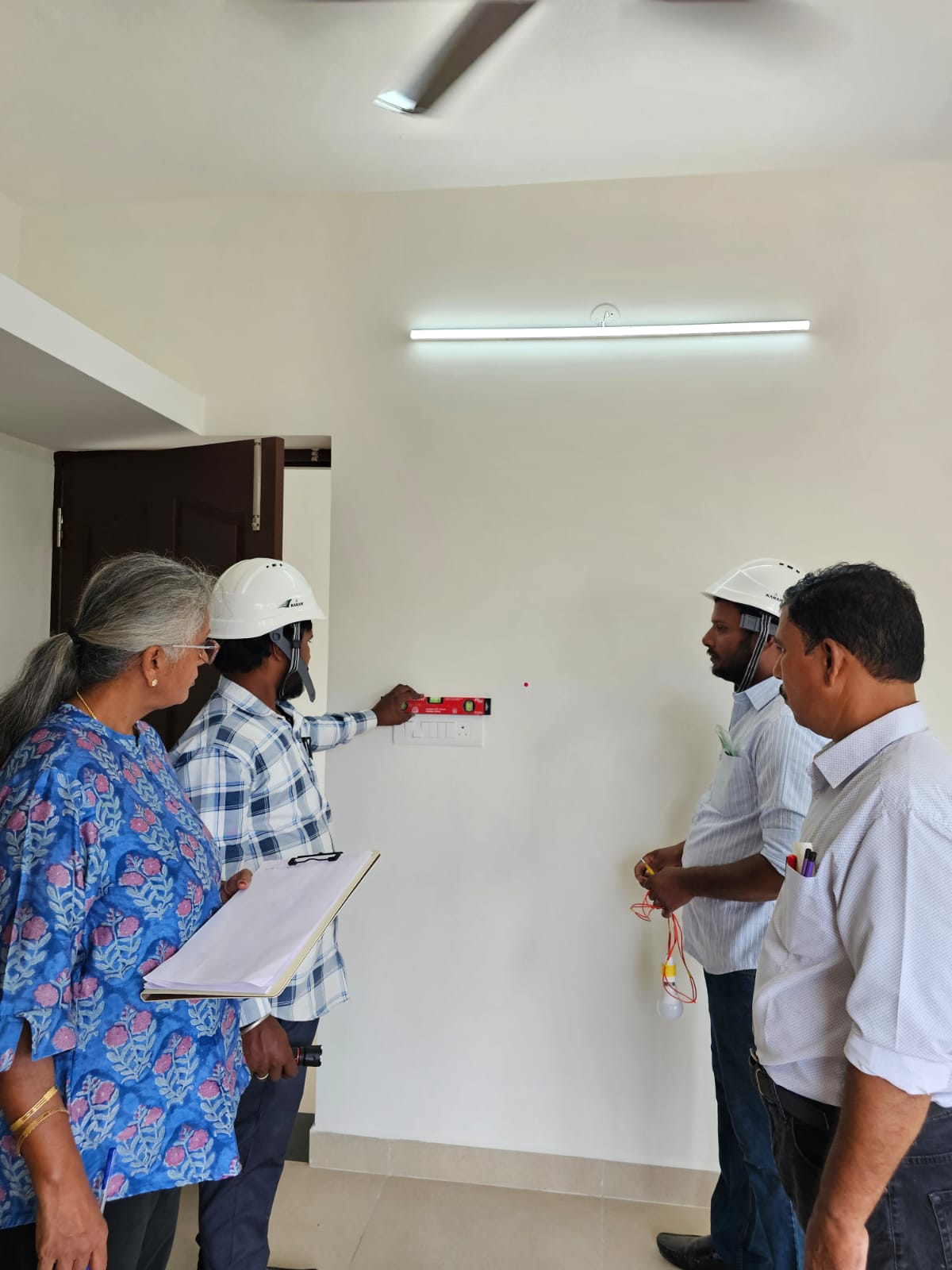

Rental property inspection serves two parties with often competing interests: landlords protecting their investment and tenant safety obligations, and tenants protecting their security deposits and quality of accommodation. Done well, professional rental inspection benefits both parties — establishing clear baselines, documenting condition changes, supporting fair dispute resolution, and ensuring rental properties meet legal habitability standards. Done poorly or skipped entirely, rental inspection becomes a source of recurring conflict, financial loss, and legal exposure for everyone involved.
This guide covers the full spectrum of rental property inspection — pre-tenancy condition documentation, during-tenancy issue assessment, end-of-tenancy reconciliation, and ongoing landlord property protection. Whether you’re a property investor with multiple rentals, a landlord managing your own property, or a tenant protecting your deposit, this guide explains how professional inspection serves your specific interests.
Rental property inspection is the single most effective tool for preventing landlord-tenant disputes — and the most powerful evidence base when disputes do arise. Both parties benefit from professional documentation; both parties lose when documentation is informal or absent.
Why Rental Property Inspection Matters More Than People Realise
Rental property creates specific risks that owner-occupied property doesn’t:
Why Rental Property Has Unique Inspection Needs |
✓ Multiple parties have stake in property condition |
✓ Tenant safety creates legal liability for landlords |
✓ Security deposit disputes are common without documentation |
✓ Property condition affects rental yield and tenant retention |
✓ Defects that emerge during tenancy create who-pays disputes |
✓ Insurance claims require documented baseline conditions |
✓ Tax depreciation requires documented capital improvements vs maintenance |
✓ Tenant turnover is more frequent than property sales |
✓ Investment property strategy requires ongoing condition tracking |
✓ Regulatory requirements for rental property safety vary by jurisdiction |
Pre-Tenancy Inspection: The Foundation
Pre-tenancy inspection — conducted before any tenant moves in — establishes the documented baseline against which everything subsequent is measured. This single inspection prevents most rental disputes by removing ambiguity about the property’s condition at tenancy commencement.
What Pre-Tenancy Inspection Covers
Comprehensive pre-tenancy inspection documents:
- Every room and surface with detailed photographic documentation
- Condition of all fixtures, fittings, and appliances with operational testing
- All visible damage, wear, or defects existing at handover
- Cleanliness standard at the point of tenant takeover
- All inclusions inventory with condition documentation
- Safety equipment presence and operation: smoke alarms, RCDs
- Compliance with applicable rental property safety standards
- Outdoor areas, parking, and storage condition
- Common area access and any shared facility condition
Documentation Standards
Pre-tenancy inspection documentation must be detailed enough to support future dispute resolution:
- Time-stamped photographs from multiple angles in every room
- Close-up documentation of any existing damage or defects
- Written description supplementing photographs
- Detailed inventory list with condition rating
- Smoke alarm and safety equipment functional verification
- Both landlord and tenant signature acknowledging the inspection findings
- Digital copies retained by all parties involved
Landlord Pre-Tenancy Protection
From the landlord’s perspective, pre-tenancy inspection serves specific protection functions:
Establishing the Condition Baseline
Pre-tenancy inspection documents the exact state of the property at the time the tenant takes possession. Without this baseline, any subsequent damage discussion becomes a credibility contest between landlord and tenant claims. With it, the discussion centres on documented evidence.
Safety Compliance Documentation
Landlords have legal obligations to provide habitable, safe properties to tenants. Pre-tenancy inspection documents compliance with applicable safety standards:
- Smoke alarm compliance: presence, location, operation
- Electrical safety: RCD protection, modern wiring, safety switch verification
- Gas safety where applicable: appliance condition, ventilation, no leaks
- Pool safety compliance for properties with pools
- Pest treatment current and effective
- Mould-free condition certification
- Window safety for higher-floor apartments
Tax and Depreciation Documentation
Rental property tax treatment depends on accurate documentation of condition changes:
- Repairs (deductible expenses) vs improvements (depreciated capital expenditure)
- Documentation of property condition at acquisition for depreciation schedule
- Annual condition documentation supporting ongoing maintenance deductions
- Evidence of capital improvements made during ownership
Tenant Pre-Tenancy Protection
Tenants benefit equally from pre-tenancy inspection:
Security Deposit Protection
The single largest source of landlord-tenant disputes is security deposit return at end of tenancy. Pre-tenancy inspection documentation makes deposit retention difficult to justify for pre-existing conditions or normal wear:
- Existing damage documented before tenant occupation
- Condition of fixtures and finishes at tenancy commencement
- Cleanliness standard established as the reference point
- Inventory documentation prevents ‘missing item’ claims
Safety and Habitability Verification
Tenants have rights to safe, habitable accommodation. Pre-tenancy inspection identifies safety issues that should be addressed before move-in:
- Faulty electrical systems posing safety risks
- Plumbing issues affecting habitability
- Pest infestations requiring treatment before occupation
- Structural issues affecting safety
- Missing or non-operational safety equipment
During-Tenancy Inspections
Beyond pre-tenancy documentation, periodic inspections during the tenancy serve ongoing purposes:
Routine Periodic Inspections
Most rental agreements provide for periodic landlord inspections — typically quarterly or semi-annually — to verify property condition. Professional inspection during tenancy:
- Identifies maintenance issues before they become major problems
- Documents any condition changes since pre-tenancy or last inspection
- Verifies tenant compliance with care obligations
- Identifies safety issues requiring landlord attention
- Provides opportunity for legitimate landlord concerns to be addressed
- Maintains tenant accountability through visibility
Issue-Driven Inspections
When specific concerns arise during tenancy, focused inspection addresses them:
- Tenant complaints about safety or habitability
- Insurance claim documentation requirements
- Suspected unauthorised property modifications
- Pest infestation assessment and treatment verification
- Post-event inspection (storm damage, plumbing emergency, etc.)
Post-Tenancy / End-of-Tenancy Inspection
End-of-tenancy inspection is the most consequential inspection moment in any rental relationship — determining security deposit return and resolving any final condition disputes:
Methodology
Post-tenancy inspection compares current property condition against pre-tenancy baseline:
- Systematic walk-through identical to pre-tenancy inspection methodology
- Photo-by-photo comparison against pre-tenancy documentation
- Identification of damage beyond normal wear and tear
- Inventory verification against pre-tenancy list
- Cleanliness standard comparison
- Operational testing of all fixtures and appliances
- Documentation of any tenant-installed items or modifications
Distinguishing Wear from Damage
The critical assessment in end-of-tenancy inspection is distinguishing normal wear and tear (landlord responsibility) from damage beyond reasonable use (tenant responsibility):
Normal Wear and Tear (Landlord) | Damage Beyond Normal Use (Tenant) |
Carpet wear in high-traffic areas | Burns, stains, or major damage to carpets |
Minor scuffs on walls from furniture | Holes in walls, large damage marks |
Light wear on paint finishes | Damaged paint requiring significant repair |
Worn taps and hardware from normal use | Broken fixtures or vandalism |
Minor floor scratches from normal use | Significant floor damage requiring replacement |
Window seal aging | Broken windows or damaged frames |
Normal grout deterioration in showers | Mould caused by tenant neglect |
Light wear on fixtures and appliances | Broken or missing appliances |
Documentation for Deposit Decisions
Detailed end-of-tenancy inspection report supports fair deposit return decisions:
- Photographic comparison: before vs after for each documented area
- Itemised list of damage beyond normal wear
- Quotes for required remediation work
- Reasonable allocation of repair costs against deposit
- Documentation supporting either full return or specific deductions
- Both parties’ acknowledgment of inspection findings
Inspection for Different Rental Property Types
Long-Term Residential Rentals
Traditional long-term residential rental (12+ months) requires comprehensive inspection at start, periodic during, and detailed end documentation. Investment in inspection is reasonable given long-term relationship and significant security deposit values.
Short-Term Rentals (Airbnb, Vacation Rentals)
Short-term rental properties face unique inspection considerations:
- Frequent turnover means rapid inspection between guests
- Standard inspection between every guest typically impractical
- Detailed pre-listing inspection establishes ongoing baseline
- Periodic comprehensive inspection (monthly or quarterly) recommended
- Damage assessment requires rapid documentation and resolution
- Insurance considerations differ from long-term rental
Commercial Rental Properties
Commercial rentals have different inspection considerations than residential:
- Pre-lease commercial property inspection documents starting condition
- Tenant fit-out and modifications require approval and documentation
- Periodic inspections verify lease compliance
- End-of-lease ‘make good’ requirements require specific assessment
- Specialised systems (HVAC, electrical capacity) need expert assessment
Investment Property Portfolios
Investors with multiple rental properties benefit from systematic inspection programs:
- Standardised inspection methodology across all properties
- Consistent documentation supporting tax and insurance
- Pattern recognition across portfolio identifies systemic issues
- Portfolio-wide maintenance planning and budget forecasting
- Tenant turnover efficiency through systematic processes
Legal and Regulatory Considerations
Rental property inspection interacts with multiple legal frameworks:
Legal Frameworks Relevant to Rental Inspection |
✓ Rent Control Acts in various states with specific landlord-tenant provisions |
✓ Model Tenancy Act provisions (where adopted by states) |
✓ Consumer Protection Act applicability to certain rental disputes |
✓ Specific state-level tenancy laws and regulations |
✓ Society bylaws affecting rental property within apartment buildings |
✓ Tax laws affecting deductibility of repairs vs improvements |
✓ Insurance contract requirements for documented property condition |
✓ Privacy considerations for inspection access during tenancy |
SnagMash360 Rental Property Inspection Services
SnagMash360 (snagmash360.in) provides specialised rental property inspection services across India — supporting both landlords and tenants with thorough, professional documentation that prevents disputes and supports fair resolution when disputes arise. Our methodology adapts to the specific context of rental property: pre-tenancy baseline establishment, periodic during-tenancy assessment, end-of-tenancy reconciliation, and ongoing investment property condition tracking.
We work with individual landlords, professional property managers, multi-property investors, short-term rental operators, commercial property owners, and tenants who want independent inspection to protect their security deposits. Our reports are structured specifically for rental property use, with clear distinctions between pre-existing conditions, normal wear, and damage requiring tenant accountability.
Protect Your Rental Property — and Your Tenant Relationships Whether you’re a landlord protecting your investment or a tenant protecting your deposit, SnagMash360 provides the professional inspection documentation that prevents disputes and supports fair resolution. Available across India for individual properties and portfolio programs. Visit snagmash360.in or email info@snagmash360.in to discuss rental inspection services. |
Frequently Asked Questions
Should pre-tenancy inspection be done by landlord or tenant?
Best practice is independent professional inspection commissioned jointly, with both parties acknowledging the findings. Single-party inspections (whether commissioned by landlord or tenant alone) carry credibility limitations. Independent professional inspection eliminates this conflict and provides documentation that both parties trust.
How often should during-tenancy inspections happen?
Typically quarterly to semi-annually, depending on tenancy agreement provisions and property type. Higher-value properties or properties with vulnerable systems may benefit from quarterly inspection. Lower-value or stable properties may be adequately served by semi-annual or annual inspection.
What if the tenant refuses inspection access?
Tenancy agreements typically specify landlord inspection rights with appropriate notice. Refusal of reasonable inspection access is generally a tenancy breach. However, landlord inspection rights must be exercised reasonably and with proper notice (typically 24–48 hours). Repeated unreasonable inspection demands can also constitute tenancy issues.
Can I deduct any damage from the security deposit?
Only damage beyond normal wear and tear, with documented evidence and reasonable cost allocation. Pre-tenancy and end-of-tenancy inspections provide the comparison documentation that distinguishes deduction-eligible damage from non-deductible normal use.
How do I find home inspection companies near me for rental property?
Look for inspectors with specific rental property inspection experience — this is different from standard pre-purchase inspection methodology. SnagMash360 has dedicated rental property inspection expertise across India — visit snagmash360.in for details on services in your area.
Sustainability and green building claims are now standard marketing for new property developments across India. IGBC certified. LEED rated. Net-zero ready. Solar-powered. Rainwater harvesting. Energy efficient. These claims sound impressive, often justify premium pricing, and increasingly affect buying decisions — but how do you verify whether they’re real? How do you assess whether a property’s actual environmental performance matches its marketing? Standard home inspection doesn’t address these questions. Green building inspection does.
This guide explains what green building inspection actually involves, how to verify sustainability claims independently, what energy performance assessment reveals, and how to make informed decisions about properties that claim environmental credentials. If sustainability matters to you — for personal values, ongoing cost considerations, or future-proofing your investment — this guide is essential reading.
Green building marketing has outpaced green building verification. The result is a market where impressive sustainability claims often aren’t backed by actual performance — and only independent inspection reveals the difference.
Why Green Building Inspection Matters
Green building features affect property value, ongoing costs, and quality of life in ways that standard inspection doesn’t address:
What Green Building Inspection Reveals |
✓ Whether sustainability certifications are current and substantive |
✓ Actual energy performance versus claimed performance |
✓ Solar power system condition, output, and ongoing viability |
✓ Rainwater harvesting and water reuse system functionality |
✓ Insulation adequacy for the regional climate |
✓ Ventilation and indoor air quality performance |
✓ Water-efficient fixtures and their actual performance |
✓ Material sustainability and any associated maintenance |
✓ Smart home and energy management system functionality |
✓ Compliance with relevant environmental regulations |
Major Green Building Certifications in India
Several certification systems apply to Indian green buildings, each with different criteria and verification standards:
Certification | Issuing Body | What It Indicates |
IGBC Green Building | Indian Green Building Council | India’s primary green certification system |
LEED India | USGBC/Indian Green Building Council | Internationally recognised green standard |
GRIHA | TERI/Govt of India | Government-endorsed Indian green rating |
BEE Star Rating | Bureau of Energy Efficiency | Specifically rates energy efficiency |
EDGE Certification | International Finance Corp | Resource efficiency certification |
Net Zero Energy Building | Various | Designed to produce as much energy as it consumes |
Passive House (India) | Passive House Institute | Ultra-low energy consumption standard |
Verifying Certification Claims
Sustainability certifications are only valuable if they’re current, substantive, and applicable to the specific property:
- Verify certification through the issuing body’s database, not just developer marketing
- Confirm certification applies to your specific unit, not just common areas or the project as a whole
- Check certification expiry — most certifications require renewal or are point-in-time only
- Understand the certification level achieved (basic, silver, gold, platinum)
- Review the specific criteria that supported the certification
- Confirm that any time-bound performance commitments are being met
Solar Power System Inspection
Solar power systems are increasingly common in Indian residential property — from rooftop solar PV to building-integrated photovoltaics to solar water heating. These systems represent significant investment and ongoing value but require specific inspection:
Solar PV System Inspection
- Panel condition: visible damage, soiling, age-related degradation
- Mounting and structural integrity: secure attachment, leak prevention
- Inverter condition and operation: age, output, error log review
- Battery storage if installed: condition, capacity, end-of-life assessment
- Wiring and connections: condition, weatherproofing, safety
- Monitoring systems: data logging, performance tracking
- Grid connection: net metering arrangement, billing structure
- Output verification: actual generation vs rated capacity
Solar Water Heating Inspection
- Collector condition and orientation
- Storage tank insulation and condition
- Pump systems for active solar
- Plumbing connections and integration
- Backup heating arrangements
- Performance verification: hot water output
Rainwater Harvesting System Inspection
Rainwater harvesting is mandatory in many Indian municipalities and increasingly common in green developments:
Rainwater Harvesting Inspection Scope |
✓ Catchment surfaces: condition, contamination prevention |
✓ Conveyance: gutters, downpipes, first-flush diverters |
✓ Storage tanks: capacity, structural condition, contamination prevention |
✓ Treatment systems: filtration, UV, where applicable |
✓ Distribution systems: for harvested water use |
✓ Overflow management: directing excess water appropriately |
✓ Integration with mains water supply |
✓ Monitoring and metering |
✓ Compliance with local rainwater harvesting regulations |
Energy Performance Inspection
Beyond specific green systems, overall energy performance assessment evaluates how efficiently the property operates:
Thermal Performance Assessment
Thermal imaging home inspection is particularly valuable for green building assessment — revealing the actual insulation performance and air leakage paths:
- Wall insulation effectiveness and continuity
- Roof insulation R-value and coverage adequacy
- Window thermal performance and seal effectiveness
- Air leakage paths through the building envelope
- Heat loss patterns identifying remediation priorities
- HVAC system effectiveness and efficiency
HVAC Efficiency Assessment
Air conditioning and heating systems dominate residential energy use in much of India:
- System age and efficiency rating (BEE stars)
- Operational efficiency vs rated efficiency
- Ducting condition and insulation
- Refrigerant levels and compliance with current standards
- Smart controls and zoning capability
- Maintenance status and condition
Lighting Efficiency Assessment
- LED conversion completeness throughout the property
- Lighting controls: occupancy sensors, daylight harvesting
- Common area lighting efficiency
- External and security lighting energy use
- Smart lighting systems if installed
Water Conservation Assessment
Water conservation is increasingly important in water-stressed regions across India:
Water Conservation Features to Verify | Inspection Points |
Low-flow taps and showers | Actual flow rates match rated specifications |
Dual-flush toilet systems | Operation verification of dual-flush mechanisms |
Greywater recycling systems if claimed | System functionality and water quality output |
Drip irrigation for landscaping | System operation and water usage tracking |
Pool/spa water management | Cover use, evaporation management |
Leak detection systems | System functionality and alert effectiveness |
Hot water recirculation efficiency | Hot water arrival time at distant fixtures |
Indoor Air Quality Assessment
Green buildings should provide superior indoor air quality. Inspection assesses:
- Mechanical ventilation system operation and adequacy
- Heat recovery ventilation efficiency where installed
- Air filtration system condition and replacement schedules
- Building material off-gassing concerns for new construction
- CO2 monitoring systems and indoor air quality sensors
- Mould-free condition particularly post-monsoon
- Volatile organic compound levels in new builds
Smart Home and Building Management Systems
Many green buildings integrate sophisticated building management systems:
Smart Building System Inspection Scope |
✓ Building management system operation and integration |
✓ Energy monitoring with consumption tracking |
✓ Smart thermostats and climate control |
✓ Smart lighting with automated controls |
✓ Smart water management with leak detection |
✓ Automation programming and documentation |
✓ System integration with utility net metering |
✓ Mobile app functionality and access credentials |
✓ Software currency and security patches |
✓ Manufacturer support and warranty status |
Material Sustainability Assessment
Beyond systems, the materials used in green buildings affect sustainability and ongoing maintenance:
- Sustainable timber certification (FSC) where applicable
- Low-VOC paints and finishes verification
- Recycled content claims for major materials
- Local material sourcing where claimed
- Durability and lifecycle assessment of finishes
- End-of-life recyclability of major elements
Green Building Inspection vs Standard Inspection
Green building inspection adds specific scope to standard home inspection:
Aspect | Standard Inspection | Green Building Inspection |
Energy systems | Basic operation testing | Performance verification, efficiency assessment |
Insulation | Visual presence check | Thermal imaging, R-value verification |
Water systems | Plumbing operation | Conservation features, efficiency verification |
Solar systems | Limited or not covered | Comprehensive system assessment |
Air quality | Visual mould check | Ventilation performance, IAQ assessment |
Certifications | Not addressed | Certification verification and assessment |
Smart systems | Limited coverage | Comprehensive system documentation |
When Green Building Inspection Adds the Most Value
Green building inspection delivers most value in specific scenarios:
- Pre-purchase of properties marketed with green certifications
- Verifying performance of existing solar or other green investments
- Assessing properties for potential green upgrades
- Investment property where energy efficiency affects yield
- Commercial property where energy use drives operating costs
- Properties claiming specific environmental performance metrics
- Insurance and warranty matters involving green systems
Common Green Building Issues Found at Inspection
Green building inspections regularly identify discrepancies between claims and actual performance:
Underperforming Solar Systems
Solar systems frequently underperform their rated capacity due to: panel soiling and inadequate cleaning; inverter age or failure; mounting orientation issues; partial shading from grown vegetation; or original installation issues. Independent output verification often reveals significant performance gaps.
Inadequate Insulation
Marketing claims about insulation often don’t match actual installation. Common findings include: gaps in wall insulation visible only through thermal imaging; compressed insulation in difficult-to-install areas; missing insulation in roof spaces; and lower-grade insulation than specified.
Ventilation System Issues
Mechanical ventilation systems often have commissioning issues that affect indoor air quality: incorrectly balanced air flows; filter neglect; control system errors; ducting failures; or system shutdown by occupants who don’t understand its purpose.
Rainwater Harvesting Not Operating
Many rainwater harvesting systems are installed for compliance but never properly operated: tanks empty or contaminated; treatment systems offline; distribution systems disconnected; or maintenance neglected.
Certification Lapses
Certifications may have lapsed since initial issue: certification renewal deadlines missed; modifications voiding original certification; or operational changes affecting compliance.
Green Building Inspection Costs
Green building inspection extends standard inspection scope with corresponding cost:
Inspection Scope | What’s Included |
Basic green features assessment | Visual review of key green elements |
Solar PV system inspection | Performance verification, condition assessment |
Energy performance assessment | Thermal imaging, efficiency review |
Comprehensive green inspection | All green systems with documentation |
Premium luxury green inspection | Specialist input across all green systems |
SnagMash360 Green Building Inspection Services
SnagMash360 (snagmash360.in) provides specialised green building inspection services across India — combining building inspection expertise with sustainability assessment capability. Our inspectors are trained in green building certification standards, solar PV performance verification, energy efficiency assessment, and the specific systems common in Indian green buildings.
We work with sustainability-focused property buyers, investors with environmental performance criteria, owners verifying their existing green investments, and commercial property owners managing energy costs. Our reports verify claims, identify performance issues, and support informed decisions about green property purchases and improvements.
Verify Green Building Claims with Independent Inspection Don’t take sustainability marketing at face value. SnagMash360’s green building inspection verifies certifications, assesses system performance, and identifies the gaps between marketing claims and actual operation. Available across India. Visit snagmash360.in or email info@snagmash360.in to discuss green building inspection. |
Frequently Asked Questions
Are green building certifications worth the premium price?
Sometimes yes, sometimes no — it depends entirely on whether the certification reflects actual performance. A property with substantial verified green features and ongoing operational performance can justify premium pricing through reduced energy/water costs and value retention. A certified-on-paper property with poor actual performance doesn’t deliver this value. Independent inspection distinguishes the two.
How can I verify solar system performance independently?
Several methods: review the system’s monitoring data over time; compare actual generation to rated capacity; commission specialist inspection with output testing under standard conditions; request utility bill history showing net consumption. Generally a combination provides the most reliable assessment.
Does green building inspection require specialist credentials?
Some aspects require specialist knowledge — solar PV inspection benefits from solar-specific certification; advanced energy assessment requires specific training. General green building assessment falls within trained home inspector capability with appropriate professional development. SnagMash360 provides both general and specialist green inspection capability.
How do I find home inspection companies near me with green building expertise?
Look for inspection companies that specifically reference green building, sustainability, or energy assessment in their service descriptions. Many home inspection companies don’t address these elements; those that do are better suited for sustainability-focused buyers. SnagMash360 has dedicated green building inspection expertise — visit snagmash360.in for details.
Is green building inspection covered by my insurance?
Property inspection (including green building inspection) is buyer-commissioned and not insurance-covered. However, identifying issues through inspection may support subsequent insurance discussions about coverage for green systems. Many insurers offer favourable terms for documented high-performing green properties.
aLorem ipsum dolor sit amet, consectetur adipiscing elit. Ut elit tellus, luctus nec ullamcorper mattis, pulvinar dapibus leo.