
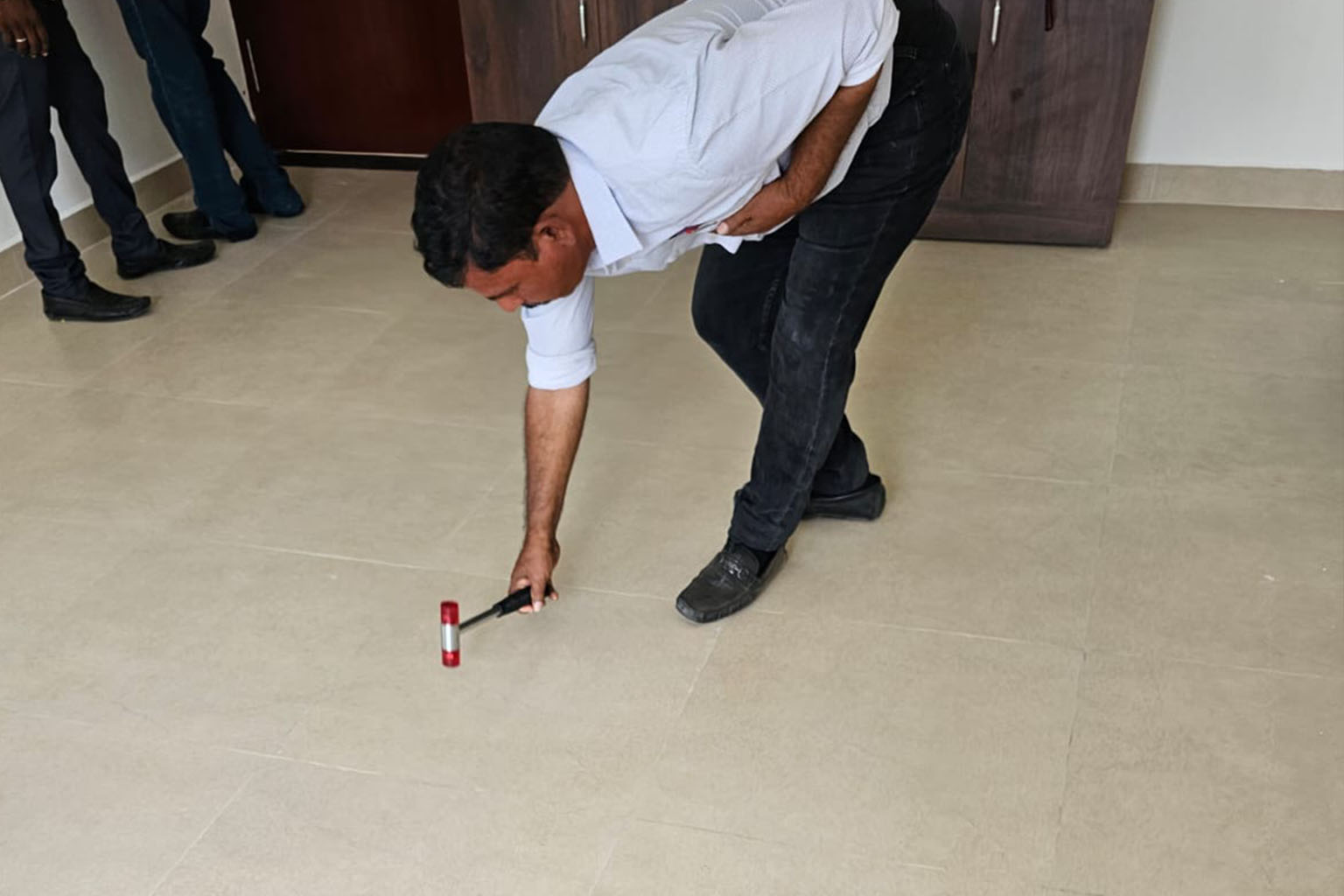

Rental property inspection serves two parties with often competing interests: landlords protecting their investment and tenant safety obligations, and tenants protecting their security deposits and quality of accommodation. Done well, professional rental inspection benefits both parties — establishing clear baselines, documenting condition changes, supporting fair dispute resolution, and ensuring rental properties meet legal habitability standards. Done poorly or skipped entirely, rental inspection becomes a source of recurring conflict, financial loss, and legal exposure for everyone involved.
This guide covers the full spectrum of rental property inspection — pre-tenancy condition documentation, during-tenancy issue assessment, end-of-tenancy reconciliation, and ongoing landlord property protection. Whether you’re a property investor with multiple rentals, a landlord managing your own property, or a tenant protecting your deposit, this guide explains how professional inspection serves your specific interests.
Rental property inspection is the single most effective tool for preventing landlord-tenant disputes — and the most powerful evidence base when disputes do arise. Both parties benefit from professional documentation; both parties lose when documentation is informal or absent.
Why Rental Property Inspection Matters More Than People Realise
Rental property creates specific risks that owner-occupied property doesn’t:
Why Rental Property Has Unique Inspection Needs |
✓ Multiple parties have stake in property condition |
✓ Tenant safety creates legal liability for landlords |
✓ Security deposit disputes are common without documentation |
✓ Property condition affects rental yield and tenant retention |
✓ Defects that emerge during tenancy create who-pays disputes |
✓ Insurance claims require documented baseline conditions |
✓ Tax depreciation requires documented capital improvements vs maintenance |
✓ Tenant turnover is more frequent than property sales |
✓ Investment property strategy requires ongoing condition tracking |
✓ Regulatory requirements for rental property safety vary by jurisdiction |
Pre-Tenancy Inspection: The Foundation
Pre-tenancy inspection — conducted before any tenant moves in — establishes the documented baseline against which everything subsequent is measured. This single inspection prevents most rental disputes by removing ambiguity about the property’s condition at tenancy commencement.
What Pre-Tenancy Inspection Covers
Comprehensive pre-tenancy inspection documents:
- Every room and surface with detailed photographic documentation
- Condition of all fixtures, fittings, and appliances with operational testing
- All visible damage, wear, or defects existing at handover
- Cleanliness standard at the point of tenant takeover
- All inclusions inventory with condition documentation
- Safety equipment presence and operation: smoke alarms, RCDs
- Compliance with applicable rental property safety standards
- Outdoor areas, parking, and storage condition
- Common area access and any shared facility condition
Documentation Standards
Pre-tenancy inspection documentation must be detailed enough to support future dispute resolution:
- Time-stamped photographs from multiple angles in every room
- Close-up documentation of any existing damage or defects
- Written description supplementing photographs
- Detailed inventory list with condition rating
- Smoke alarm and safety equipment functional verification
- Both landlord and tenant signature acknowledging the inspection findings
- Digital copies retained by all parties involved
Landlord Pre-Tenancy Protection
From the landlord’s perspective, pre-tenancy inspection serves specific protection functions:
Establishing the Condition Baseline
Pre-tenancy inspection documents the exact state of the property at the time the tenant takes possession. Without this baseline, any subsequent damage discussion becomes a credibility contest between landlord and tenant claims. With it, the discussion centres on documented evidence.
Safety Compliance Documentation
Landlords have legal obligations to provide habitable, safe properties to tenants. Pre-tenancy inspection documents compliance with applicable safety standards:
- Smoke alarm compliance: presence, location, operation
- Electrical safety: RCD protection, modern wiring, safety switch verification
- Gas safety where applicable: appliance condition, ventilation, no leaks
- Pool safety compliance for properties with pools
- Pest treatment current and effective
- Mould-free condition certification
- Window safety for higher-floor apartments
Tax and Depreciation Documentation
Rental property tax treatment depends on accurate documentation of condition changes:
- Repairs (deductible expenses) vs improvements (depreciated capital expenditure)
- Documentation of property condition at acquisition for depreciation schedule
- Annual condition documentation supporting ongoing maintenance deductions
- Evidence of capital improvements made during ownership
Tenant Pre-Tenancy Protection
Tenants benefit equally from pre-tenancy inspection:
Security Deposit Protection
The single largest source of landlord-tenant disputes is security deposit return at end of tenancy. Pre-tenancy inspection documentation makes deposit retention difficult to justify for pre-existing conditions or normal wear:
- Existing damage documented before tenant occupation
- Condition of fixtures and finishes at tenancy commencement
- Cleanliness standard established as the reference point
- Inventory documentation prevents ‘missing item’ claims
Safety and Habitability Verification
Tenants have rights to safe, habitable accommodation. Pre-tenancy inspection identifies safety issues that should be addressed before move-in:
- Faulty electrical systems posing safety risks
- Plumbing issues affecting habitability
- Pest infestations requiring treatment before occupation
- Structural issues affecting safety
- Missing or non-operational safety equipment
During-Tenancy Inspections
Beyond pre-tenancy documentation, periodic inspections during the tenancy serve ongoing purposes:
Routine Periodic Inspections
Most rental agreements provide for periodic landlord inspections — typically quarterly or semi-annually — to verify property condition. Professional inspection during tenancy:
- Identifies maintenance issues before they become major problems
- Documents any condition changes since pre-tenancy or last inspection
- Verifies tenant compliance with care obligations
- Identifies safety issues requiring landlord attention
- Provides opportunity for legitimate landlord concerns to be addressed
- Maintains tenant accountability through visibility
Issue-Driven Inspections
When specific concerns arise during tenancy, focused inspection addresses them:
- Tenant complaints about safety or habitability
- Insurance claim documentation requirements
- Suspected unauthorised property modifications
- Pest infestation assessment and treatment verification
- Post-event inspection (storm damage, plumbing emergency, etc.)
Post-Tenancy / End-of-Tenancy Inspection
End-of-tenancy inspection is the most consequential inspection moment in any rental relationship — determining security deposit return and resolving any final condition disputes:
Methodology
Post-tenancy inspection compares current property condition against pre-tenancy baseline:
- Systematic walk-through identical to pre-tenancy inspection methodology
- Photo-by-photo comparison against pre-tenancy documentation
- Identification of damage beyond normal wear and tear
- Inventory verification against pre-tenancy list
- Cleanliness standard comparison
- Operational testing of all fixtures and appliances
- Documentation of any tenant-installed items or modifications
Distinguishing Wear from Damage
The critical assessment in end-of-tenancy inspection is distinguishing normal wear and tear (landlord responsibility) from damage beyond reasonable use (tenant responsibility):
Normal Wear and Tear (Landlord) | Damage Beyond Normal Use (Tenant) |
Carpet wear in high-traffic areas | Burns, stains, or major damage to carpets |
Minor scuffs on walls from furniture | Holes in walls, large damage marks |
Light wear on paint finishes | Damaged paint requiring significant repair |
Worn taps and hardware from normal use | Broken fixtures or vandalism |
Minor floor scratches from normal use | Significant floor damage requiring replacement |
Window seal aging | Broken windows or damaged frames |
Normal grout deterioration in showers | Mould caused by tenant neglect |
Light wear on fixtures and appliances | Broken or missing appliances |
Documentation for Deposit Decisions
Detailed end-of-tenancy inspection report supports fair deposit return decisions:
- Photographic comparison: before vs after for each documented area
- Itemised list of damage beyond normal wear
- Quotes for required remediation work
- Reasonable allocation of repair costs against deposit
- Documentation supporting either full return or specific deductions
- Both parties’ acknowledgment of inspection findings
Inspection for Different Rental Property Types
Long-Term Residential Rentals
Traditional long-term residential rental (12+ months) requires comprehensive inspection at start, periodic during, and detailed end documentation. Investment in inspection is reasonable given long-term relationship and significant security deposit values.
Short-Term Rentals (Airbnb, Vacation Rentals)
Short-term rental properties face unique inspection considerations:
- Frequent turnover means rapid inspection between guests
- Standard inspection between every guest typically impractical
- Detailed pre-listing inspection establishes ongoing baseline
- Periodic comprehensive inspection (monthly or quarterly) recommended
- Damage assessment requires rapid documentation and resolution
- Insurance considerations differ from long-term rental
Commercial Rental Properties
Commercial rentals have different inspection considerations than residential:
- Pre-lease commercial property inspection documents starting condition
- Tenant fit-out and modifications require approval and documentation
- Periodic inspections verify lease compliance
- End-of-lease ‘make good’ requirements require specific assessment
- Specialised systems (HVAC, electrical capacity) need expert assessment
Investment Property Portfolios
Investors with multiple rental properties benefit from systematic inspection programs:
- Standardised inspection methodology across all properties
- Consistent documentation supporting tax and insurance
- Pattern recognition across portfolio identifies systemic issues
- Portfolio-wide maintenance planning and budget forecasting
- Tenant turnover efficiency through systematic processes
Legal and Regulatory Considerations
Rental property inspection interacts with multiple legal frameworks:
Legal Frameworks Relevant to Rental Inspection |
✓ Rent Control Acts in various states with specific landlord-tenant provisions |
✓ Model Tenancy Act provisions (where adopted by states) |
✓ Consumer Protection Act applicability to certain rental disputes |
✓ Specific state-level tenancy laws and regulations |
✓ Society bylaws affecting rental property within apartment buildings |
✓ Tax laws affecting deductibility of repairs vs improvements |
✓ Insurance contract requirements for documented property condition |
✓ Privacy considerations for inspection access during tenancy |
SnagMash360 Rental Property Inspection Services
SnagMash360 (snagmash360.in) provides specialised rental property inspection services across India — supporting both landlords and tenants with thorough, professional documentation that prevents disputes and supports fair resolution when disputes arise. Our methodology adapts to the specific context of rental property: pre-tenancy baseline establishment, periodic during-tenancy assessment, end-of-tenancy reconciliation, and ongoing investment property condition tracking.
We work with individual landlords, professional property managers, multi-property investors, short-term rental operators, commercial property owners, and tenants who want independent inspection to protect their security deposits. Our reports are structured specifically for rental property use, with clear distinctions between pre-existing conditions, normal wear, and damage requiring tenant accountability.
Protect Your Rental Property — and Your Tenant Relationships Whether you’re a landlord protecting your investment or a tenant protecting your deposit, SnagMash360 provides the professional inspection documentation that prevents disputes and supports fair resolution. Available across India for individual properties and portfolio programs. Visit snagmash360.in or email info@snagmash360.in to discuss rental inspection services. |
Frequently Asked Questions
Should pre-tenancy inspection be done by landlord or tenant?
Best practice is independent professional inspection commissioned jointly, with both parties acknowledging the findings. Single-party inspections (whether commissioned by landlord or tenant alone) carry credibility limitations. Independent professional inspection eliminates this conflict and provides documentation that both parties trust.
How often should during-tenancy inspections happen?
Typically quarterly to semi-annually, depending on tenancy agreement provisions and property type. Higher-value properties or properties with vulnerable systems may benefit from quarterly inspection. Lower-value or stable properties may be adequately served by semi-annual or annual inspection.
What if the tenant refuses inspection access?
Tenancy agreements typically specify landlord inspection rights with appropriate notice. Refusal of reasonable inspection access is generally a tenancy breach. However, landlord inspection rights must be exercised reasonably and with proper notice (typically 24–48 hours). Repeated unreasonable inspection demands can also constitute tenancy issues.
Can I deduct any damage from the security deposit?
Only damage beyond normal wear and tear, with documented evidence and reasonable cost allocation. Pre-tenancy and end-of-tenancy inspections provide the comparison documentation that distinguishes deduction-eligible damage from non-deductible normal use.
How do I find home inspection companies near me for rental property?
Look for inspectors with specific rental property inspection experience — this is different from standard pre-purchase inspection methodology. SnagMash360 has dedicated rental property inspection expertise across India — visit snagmash360.in for details on services in your area.
Among all property defects that buyers and owners face, foundation and settlement issues are the most expensive to remediate, the most difficult to fix completely, and often the most subtle in their early warning signs. A foundation problem caught early — through hairline cracks, sticking doors, or minor floor unevenness — costs a fraction of what it costs once the problem has progressed to major structural movement. Yet most property owners simply don’t know what to look for, or dismiss early warning signs as cosmetic. This is one of the most expensive misjudgements in property ownership.
This guide explains how foundation and settlement issues develop, what warning signs to watch for at every stage, how to distinguish minor settlement (which is normal) from major structural movement (which is serious), and how professional inspection identifies these issues before they become catastrophic. Whether you’re buying a property or have noticed concerning signs in your current home, this guide could save you from making a very expensive mistake.
Foundation problems don’t get better with time. They get more expensive — sometimes exponentially. The difference between identifying a foundation issue at the hairline crack stage and the visible-movement stage can easily be 5 to 20 lakhs in remediation cost.
Understanding How Foundations Work — and Fail
To recognise foundation problems, it helps to understand briefly how foundations function. A foundation supports the entire weight of the building above it — transferring that load through the soil and structure beneath. When this load transfer works correctly, the foundation provides stable, even support and the building behaves predictably. When something disrupts this load transfer, the foundation moves — and the building above moves with it.
Common causes of foundation movement include:
- Soil moisture changes: expansive clay soils swell when wet and shrink when dry
- Inadequate site drainage causing water accumulation against foundations
- Tree root pressure or root uptake of soil moisture near foundations
- Original construction inadequacy: undersized footings, inadequate compaction, poor design
- Excessive loading: additions, modifications, or use changes exceeding original design
- Adjacent excavation: nearby construction affecting soil support
- Underground water flow: erosion, sub-surface drainage changes
- Seismic activity: even minor seismic events can affect older or poorly built foundations
Normal Settlement vs Concerning Movement
Not all foundation movement is a problem. Newly built properties undergo predictable initial settlement as the soil consolidates under the new loading. Older properties may have completed their initial settlement long ago and remained stable for decades. The critical distinction is between normal settlement (typically minor, stops occurring within 2–5 years of construction, and doesn’t progress significantly) and ongoing or major movement (continues over time, gets progressively worse, and may indicate serious underlying issues).
Normal Settlement Indicators | Concerning Movement Indicators |
Hairline cracks under 1mm in plaster | Cracks wider than 3mm or progressing in width |
Settlement completed within first 2–5 years | New cracking appearing in established property |
Cracks are static, not progressing over time | Diagonal cracks at corners of openings |
Doors and windows operate normally | Doors and windows that stick or won’t latch |
Floors remain level to the eye | Visible slope, bounce, or unevenness in floors |
No visible step-cracking in masonry | Step-cracking in brick or block walls |
No water staining indicating drainage issues | Water staining suggesting drainage problems |
Even foundation profile around the building | Visible foundation profile changes |
The Crack Pattern Language: Reading What Walls Are Telling You
The location, direction, and pattern of cracks in a property tell experienced inspectors a great deal about underlying causes. Different crack patterns indicate different problems:
Vertical Cracks
Single vertical cracks typically indicate minor settlement that has stopped. They’re usually cosmetic and don’t represent structural concerns. Multiple vertical cracks at consistent locations may suggest more significant settlement but are still typically less serious than other crack types.
Horizontal Cracks
Horizontal cracks in walls are more concerning than vertical cracks. They often indicate lateral pressure on the wall — typically from external soil pressure, hydrostatic pressure from inadequate drainage, or load-bearing issues. Horizontal cracks at consistent levels across multiple walls warrant immediate professional structural assessment.
Diagonal Cracks at Corners
Diagonal cracks emerging from corners of windows, doors, or wall intersections are classic indicators of foundation settlement. The direction of the crack often indicates the direction of settlement movement. These cracks should always be assessed by a structural inspection professional.
Step-Cracks in Masonry
In brick or block walls, step-shaped cracks following mortar joints indicate settlement-driven movement. The pattern follows the path of least resistance through the mortar. Step-cracks wider than 3mm or progressively widening are particularly concerning.
Ceiling-Wall Junction Cracks
Cracks where ceilings meet walls are often the result of structural movement, but can also be caused by truss uplift in dry seasons (a normal but visually concerning phenomenon). Distinguishing between the two requires professional assessment.
Foundation Inspection: What Professionals Look For
A comprehensive foundation and settlement inspection — typically conducted as part of a residential structural inspection — examines multiple indicators across the property:
Professional Foundation Inspection Scope |
✓ External foundation walls and visible footings |
✓ Interior wall crack patterns and severity classification |
✓ Floor level assessment across all rooms using laser levels |
✓ Door and window operation throughout the property |
✓ Subfloor inspection where accessible: pier and bearer condition |
✓ Site drainage assessment around the entire perimeter |
✓ Tree and vegetation impact on foundations and drainage |
✓ Soil condition assessment where visible |
✓ Concrete slab condition where applicable |
✓ Retaining walls and significant level changes |
✓ Adjacent property conditions affecting your foundation |
✓ History of any previous foundation repairs or modifications |
Soil Types and Foundation Risk in India
Indian soils vary enormously across regions, and soil type strongly influences foundation risk:
Soil Type | Common Regions | Foundation Risk Profile |
Black cotton (expansive clay) | Maharashtra, MP, Gujarat parts | High — significant swell-shrink movement |
Alluvial soil | North India, Bengal | Moderate — variable density issues |
Red soil | Karnataka, Tamil Nadu | Lower — generally stable but variable |
Laterite | Kerala, Karnataka coast | Moderate — drainage critical |
Rocky/granitic | Bangalore, parts of Telangana | Low — stable but variable quality |
Coastal sandy | Mumbai, Chennai coastal areas | Moderate — saline groundwater concerns |
Hill soils | Hill stations, mountainous areas | High — slope stability critical |
Properties built on high-risk soils require more vigilant foundation monitoring and benefit substantially from professional periodic structural inspection. If you’re buying property in a known high-risk soil region, foundation assessment should be a non-negotiable component of your pre-purchase inspection.
Settlement vs Subsidence: A Critical Distinction
Two terms often confused but representing very different conditions:
- Settlement: gradual downward movement of foundation as soil consolidates, typically uniform across the structure, usually completes within years of construction
- Subsidence: localised, uneven foundation movement caused by specific underlying issues — often more serious and progressive than settlement
A property may experience normal settlement throughout its life with no real concern. The same property can develop subsidence later due to changing conditions — and this transition is exactly what professional inspection identifies.
Tree-Related Foundation Issues
Trees and large shrubs near buildings cause foundation problems in two distinct ways:
Root Penetration and Pressure
Tree roots can grow into foundations, drainage systems, and sub-surface spaces. Root pressure can crack concrete and disrupt drainage:
- Large trees within 5–10 metres of foundations warrant assessment
- Specific tree species are particularly aggressive root growers (peepal, banyan, eucalyptus)
- Drainage system root penetration is extremely common and progressive
- Visible root systems above ground often indicate larger sub-surface networks
Soil Moisture Uptake
Tree root systems extract significant water from surrounding soil. In expansive clay soils, this moisture extraction causes soil shrinkage and resulting foundation movement:
- The problem is most severe during dry seasons when trees most aggressively seek water
- Tree removal can cause the opposite problem — soil swelling as moisture returns
- Pre-existing trees near foundations require professional management, not immediate removal
When Movement Becomes Structural Emergency
Certain signs indicate foundation problems severe enough to warrant urgent professional intervention:
Foundation Emergency Warning Signs — Get Professional Assessment Immediately |
✓ New cracks appearing rapidly in multiple locations |
✓ Cracks that have widened noticeably over weeks or months |
✓ Doors or windows that have suddenly become difficult to operate |
✓ Visible step-cracking exceeding 5mm in brick or block walls |
✓ Floor unevenness that is visibly noticeable when standing |
✓ Visible foundation displacement or settlement |
✓ Water flowing toward or pooling against foundations |
✓ Sounds of cracking or settling during routine occupation |
✓ Adjacent properties showing similar progressive issues |
✓ Recent ground disturbance from nearby construction |
Foundation issues are like a slow-motion emergency. They develop gradually but become exponentially more expensive as they progress. The right time to involve a structural engineer is at the first concerning sign — not at the visible-movement stage.
Foundation Remediation: What’s Involved
Understanding remediation approaches helps you assess the cost and complexity of identified issues:
Remediation Approach | When Used |
Crack monitoring with epoxy injection | Minor stable cracks, no ongoing movement |
Drainage improvement | Moisture-driven movement |
Reinforcement and partial underpinning | Specific localised foundation issues |
Full underpinning | Significant ongoing foundation movement |
Helical pile installation | Modern foundation reinforcement method |
Resin injection (modern technique) | Lifting and stabilising settled foundations |
Demolition and reconstruction | Severe cases beyond economical repair |
Pre-Purchase Foundation Assessment
For property purchases, foundation assessment is one of the highest-value components of due diligence:
- Visual inspection by experienced building inspector for warning signs
- Detailed crack pattern analysis and documentation
- Floor level assessment with professional measuring tools
- Drainage assessment around the property perimeter
- Tree and vegetation impact assessment
- Soil type identification and risk profiling for the region
- If concerns identified: structural engineer specialist assessment
- Geotechnical investigation if specific subsurface concerns exist
Buying a Property with Known Foundation Issues
Sometimes buyers discover known foundation issues during pre-purchase inspection. This isn’t automatically a deal-breaker — but it requires careful evaluation:
Foundation Issues That May Be Manageable | Foundation Issues That Warrant Walking Away |
Historic settlement that has clearly stopped | Major progressive movement with uncertain cause |
Minor cosmetic cracking with stable patterns | Multiple foundation issues across the structure |
Drainage-related issues with clear remediation path | Cost of remediation exceeds property value benefit |
Tree-related issues with manageable solutions | Soil or site issues affecting entire neighbourhood |
Localised issues with clear repair scope and cost | Foundation issues compromising structural safety |
Soil-related issues common to the region | Adjacent properties showing similar problems |
Heritage settlement consistent with building age | Insurance unavailable due to foundation history |
Ongoing Foundation Monitoring for Owners
If you own a property with any foundation history, periodic monitoring catches progression early:
- Photograph cracks with measurement reference quarterly
- Mark crack ends with thin pencil lines to detect progression
- Note door and window operation changes over seasons
- Check floor levels in suspect areas annually
- Monitor drainage performance during and after monsoon
- Document any new movement signs immediately
- Commission structural inspection every 3–5 years for known-issue properties
SnagMash360 Foundation and Settlement Inspection Services
SnagMash360 (snagmash360.in) provides specialised foundation and settlement inspection services across India — combining building inspector general assessment with structural engineering specialist input for complex cases. Our inspectors understand regional soil conditions, Indian construction practices, and the specific warning signs that distinguish minor settlement from progressive structural issues.
We work with property buyers concerned about identified or suspected foundation issues, current owners noticing warning signs in their properties, and property investors assessing portfolio properties. Our reports document foundation findings clearly, with severity classifications that support informed decision-making about purchase, repair, or monitoring.
Suspect Foundation Issues? Get Expert Assessment with SnagMash360 Don’t let foundation concerns become foundation emergencies. SnagMash360 provides expert structural assessment combining building inspection with engineering input when warranted. Available across India for pre-purchase, owner-occupier, and investment property assessment. Visit snagmash360.in or email info@snagmash360.in to discuss your foundation concerns. |
Frequently Asked Questions
How serious are hairline cracks in my walls?
Most hairline cracks (under 1mm) are cosmetic — caused by minor plaster movement, normal building settlement, or temperature/humidity variations. The key concerns are: cracks that exceed 1mm, cracks that progress in width over time, multiple cracks in characteristic patterns (diagonal at corners, horizontal in walls), and cracks accompanied by other symptoms (doors sticking, floor unevenness). A single static hairline crack rarely indicates a problem; multiple progressing cracks always warrant investigation.
Should I be worried about settlement in a new home?
Some settlement in new construction is normal and expected — soil consolidates under new loading and minor movement results. Concerning settlement patterns include: progressive movement continuing past the first 2–3 years; uneven settlement across the property creating visible slopes; major cracks (over 5mm) developing; doors and windows becoming difficult to operate. Document any new home settlement with photographs to track progression.
Can foundation problems be fixed permanently?
Yes — modern foundation remediation techniques (underpinning, helical piles, resin injection) can effectively stabilise even significantly affected foundations. The key is identifying the root cause and addressing it, not just patching symptoms. Drainage-related issues fixed by improving drainage typically resolve permanently. Soil-related issues require addressing the specific mechanism (tree impact, soil instability, etc.).
How do I find home inspection companies near me with structural expertise?
Ask specifically: ‘Do you have structural engineering input available for foundation concerns, or work with structural engineers when needed?’ Standard home inspectors can identify warning signs; structural engineers provide the specialist assessment for serious cases. SnagMash360 combines both capabilities — visit snagmash360.in for details.
Will my insurance cover foundation problems?
Generally no — most home insurance specifically excludes gradual settlement and foundation movement. Coverage may apply for specific covered events (e.g., damage from a covered flood event causing foundation issues). Pre-existing foundation issues at policy inception are typically not covered. Documented inspection at policy commencement helps distinguish pre-existing conditions from later covered events.