
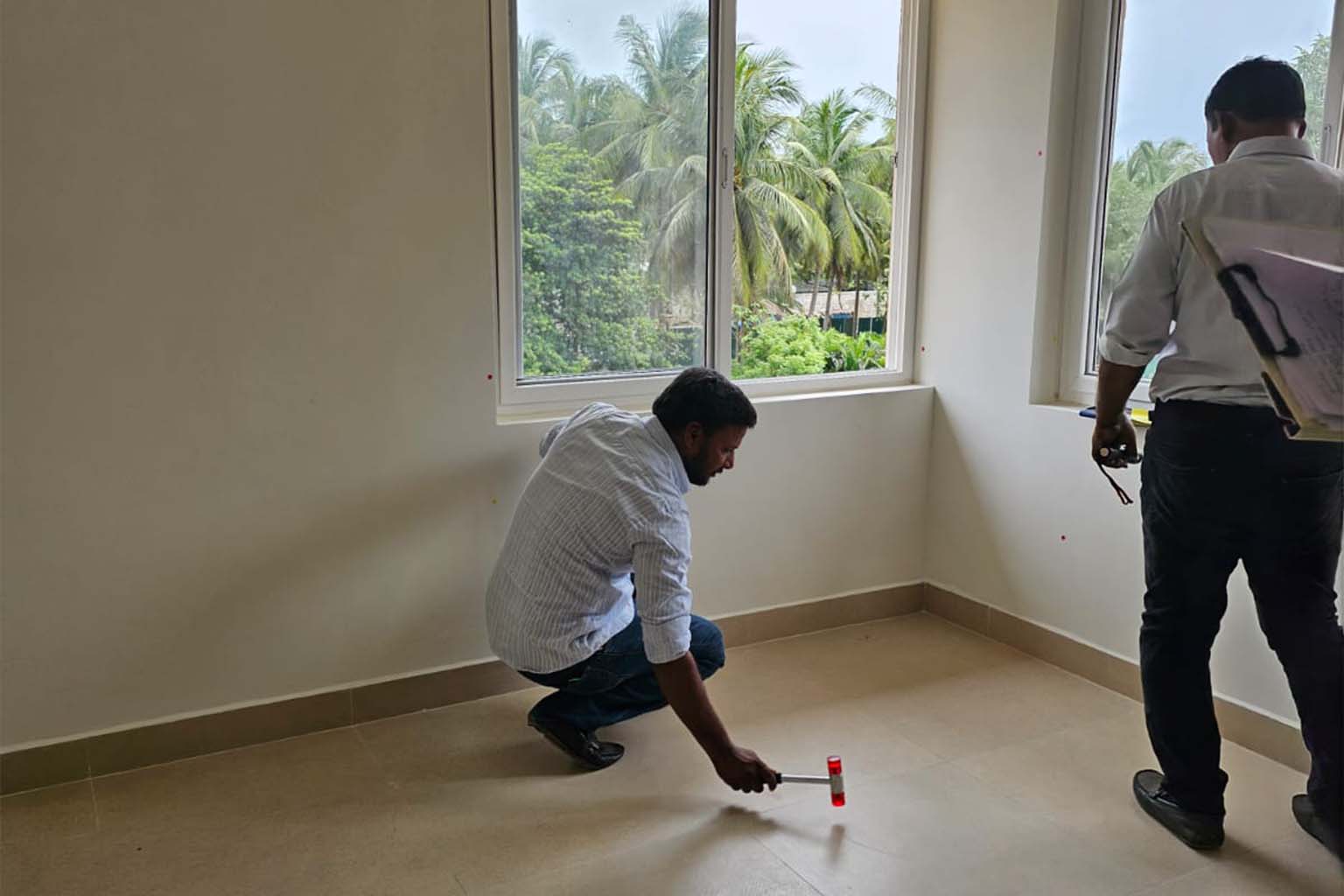

Fire incidents in Indian residential and commercial property claim thousands of lives and cause massive property damage every year. Most of these incidents involve properties with inadequate fire safety systems, non-compliant infrastructure, or maintenance neglect that reduced safety systems to non-functional status when they were needed most. Fire safety compliance isn’t just a regulatory checkbox — it’s the difference between manageable incidents and catastrophic outcomes.
This guide explains what professional fire safety compliance inspection involves, what specific issues Indian property faces, and how systematic fire safety assessment protects both lives and legal position for property owners and operators.
Fire safety systems that aren’t tested don’t work when needed. Compliance certifications from years ago don’t reflect current condition. Regular professional fire safety inspection is what turns paper compliance into actual safety.
Why Fire Safety Deserves Specific Inspection Attention
Why Fire Safety Compliance Requires Specialist Assessment |
✓ Regulatory frameworks with specific compliance requirements |
✓ Fire safety systems requiring specialist verification |
✓ Insurance policies often requiring documented compliance |
✓ Legal liability for property owners and operators |
✓ Life safety obligations exceeding property protection |
✓ Regular testing and maintenance requirements |
✓ Egress and access requirements affecting building use |
✓ Specific requirements for occupancy types and sizes |
✓ Local fire department NOC requirements |
✓ Renovation and modification impact on fire safety |
Property Categories with Specific Fire Safety Requirements
Property Category | Requirement Level | Inspection Focus |
Standalone residential | Basic residential | Alarms, extinguishers, egress |
Apartment building | Multi-occupancy | Common areas, alarms, sprinklers |
High-rise residential | Complex multi-story | Full systems, evacuation planning |
Commercial office | Commercial compliance | Full commercial systems |
Retail and hospitality | Public occupancy | Egress, systems, procedures |
Industrial | Industrial hazard | Specialised systems |
Healthcare facilities | Life-safety critical | Comprehensive specialist |
Educational facilities | Institutional | Occupancy-specific |
Fire Safety Inspection Scope
Fire Detection Systems
- Smoke detector placement and operation
- Heat detector coverage where applicable
- Manual call points location and function
- Fire alarm control panel operation
- Signal routing and monitoring where applicable
- Testing history and maintenance records
- Backup power provisions
Fire Suppression Systems
- Fire extinguisher type, location, and condition
- Sprinkler system operation where installed
- Hose reels and fire hydrants where applicable
- Specialist suppression systems (kitchen, server rooms)
- Testing and inspection currency
- Water supply adequacy for suppression
- Access to suppression equipment
Egress and Evacuation
- Exit door operation and safety
- Exit path clarity and lighting
- Emergency lighting operation
- Signage adequacy and visibility
- Evacuation route accessibility
- Assembly point provisions
- Access for emergency services
Passive Fire Protection
- Fire compartmentation integrity
- Fire door operation and condition
- Fire-stopping around penetrations
- Cladding and finish fire ratings
- Structural fire protection where required
- Fire-rated construction verification
Systems Integration
- Ventilation systems fire safety integration
- Elevator fire safety features
- Building management system integration
- Backup power for fire safety systems
- Communication systems for emergencies
- Monitoring and response arrangements
Common Fire Safety Compliance Issues
Common Non-Compliance Issues | Impact and Risk |
Expired fire extinguishers | Non-functional in emergencies |
Non-functional smoke alarms | No early warning capability |
Blocked or obstructed egress paths | Prevents safe evacuation |
Modified fire doors compromising function | Enables fire spread |
Missing signage | Confused evacuation |
Sprinkler system maintenance neglect | Fire suppression won’t work |
Emergency lighting failures | No egress visibility |
Fire safety documentation gaps | Non-compliance liability |
Compartmentation breaches from renovations | Enables rapid fire spread |
Storage in fire safety spaces | Prevents emergency access |
Regulatory Framework for Indian Fire Safety
Indian fire safety regulation involves multiple frameworks:
- Fire and Life Safety Code (National Building Code)
- State fire prevention rules
- Municipal fire safety requirements
- Fire department NOC requirements
- Occupancy-specific requirements
- Insurance policy compliance requirements
- Renovation and modification requirements
Insurance Implications
Fire safety compliance affects insurance in specific ways:
- Coverage validity may depend on documented compliance
- Premium rates influenced by safety infrastructure
- Claims may be reduced or denied for non-compliance
- Documentation supports coverage placement
- Regular inspection may be required for coverage
- Special coverage for premium properties requires enhanced safety
SnagMash360 Fire Safety Compliance Inspection Services
SnagMash360 (snagmash360.in) provides specialised fire safety compliance inspection services across India — combining building inspection expertise with fire safety regulatory knowledge. Our inspectors understand Indian fire safety frameworks, insurance implications, and the specific systems affecting different property types.
We work with individual property owners, society management for apartment buildings, commercial property owners, hospitality and retail operators, and industrial facility managers. Our reports support compliance documentation, insurance requirements, and continuous improvement of property safety.
Fire Safety Compliance Protects Lives and Legal Position Regular professional fire safety inspection ensures systems will work when needed, documents compliance for regulatory and insurance purposes, and protects property owners from liability. SnagMash360 provides comprehensive fire safety inspection across India. Visit snagmash360.in or email info@snagmash360.in to discuss fire safety inspection. |
Frequently Asked Questions
How often should fire safety compliance be inspected?
Frequency depends on property type and regulatory requirements. Residential: every 2–3 years typically. Commercial and multi-occupancy: annually. Special occupancies (hospitality, healthcare): sometimes biannually. Insurance and regulatory requirements often specify minimum frequencies.
Is fire safety inspection required by law?
Varies by property type and jurisdiction. Regular fire safety inspection is required for commercial properties, multi-occupancy buildings, and specific occupancy types. Even where not legally mandated, insurance policies often require it. Best practice is regular inspection regardless of legal minimum.
What if inspection identifies non-compliance issues?
Findings inform prioritised remediation planning. Life-safety-critical issues typically require immediate attention. Documentation supports systematic remediation and demonstrates ongoing improvement effort — important for regulatory and insurance positioning.