
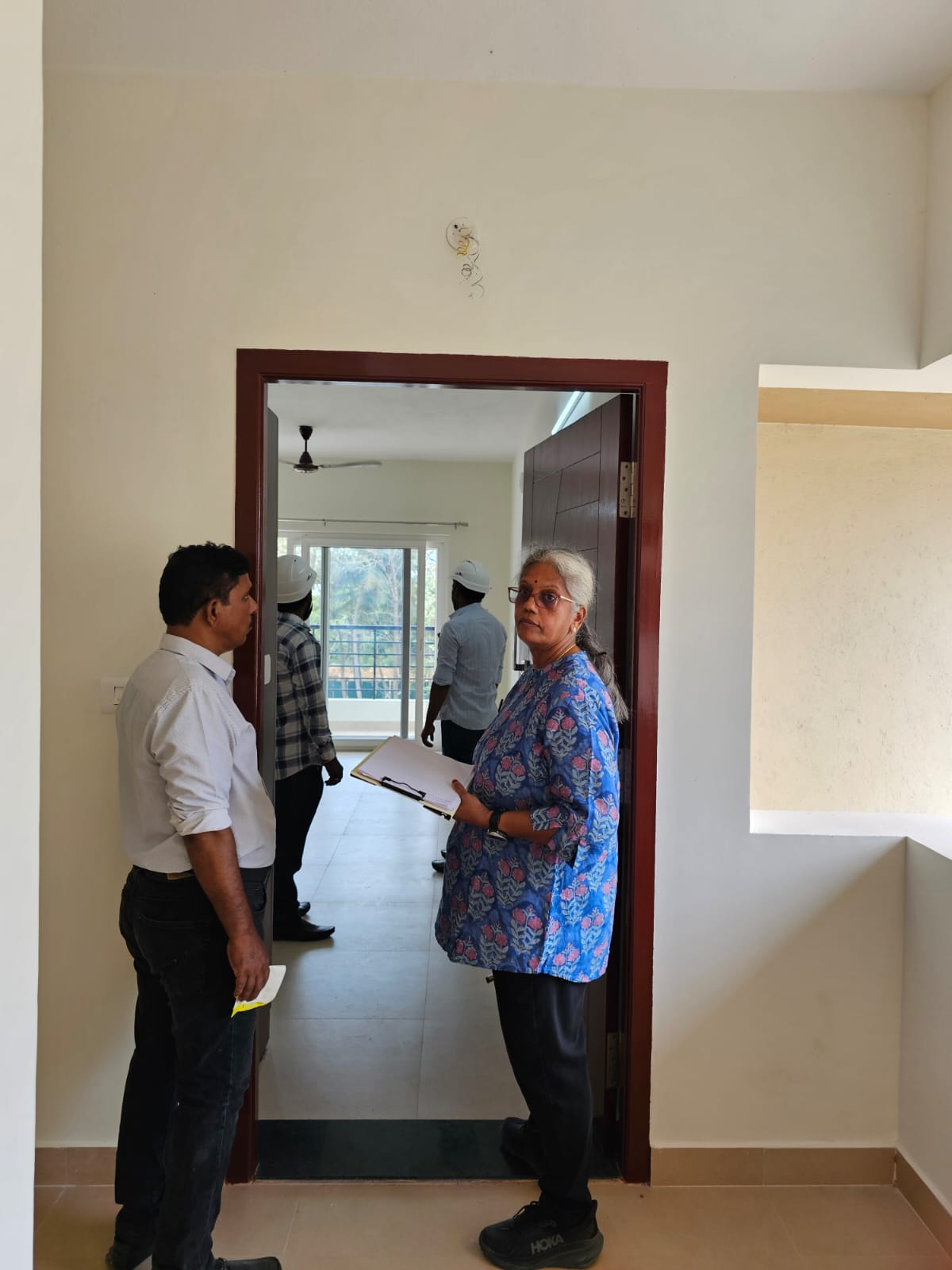

Most property owners accept their property tax assessment without question. They receive the annual bill, pay it, and move on. What they don’t realise is that property tax assessments are routinely inflated relative to actual property condition and market value — and that the formal appeals process available in most Indian municipalities allows property owners to challenge these assessments and substantially reduce their tax burden. The single most powerful tool in this appeals process is independent property inspection that documents actual condition deficiencies affecting value.
This guide explains how property tax assessment works, when inspection-based appeals are appropriate, what condition issues affect tax assessment, and how to use professional inspection findings strategically to achieve meaningful tax reductions. If you’re paying significant annual property tax, this guide could save you thousands of rupees annually for years to come.
Property tax assessments are statistical estimates, not individual property evaluations. They assume average condition for properties in your category. Most properties have specific condition issues that depart from this average — and these departures are the basis for legitimate appeal-based reductions.
How Property Tax Assessment Works in India
Indian property tax is administered by local municipal corporations and follows various methodologies:
Assessment Method | Where Used | How It Works |
Annual Rental Value (ARV) | Mumbai, Kolkata, others | Tax based on annual rentable value |
Capital Value System (CVS) | Mumbai (residential), parts of MH | Tax based on property capital value |
Unit Area System (UAS) | Delhi, Bangalore, others | Tax based on area × unit rate × factors |
Property Tax (PT) | Chennai, Hyderabad, others | Various calculation methods |
Regardless of methodology, property tax involves estimation — and estimation creates room for over-assessment that property owners can challenge through formal appeals.
Why Property Tax Assessments Are Often Inflated
Property tax assessments tend toward over-assessment for several reasons:
Why Tax Assessments Tend to Inflate |
✓ Mass appraisal methodology assumes average condition for property categories |
✓ Municipal revenue interests favour higher assessment values |
✓ Manual assessment by understaffed departments creates errors |
✓ Assessment timing may not reflect current property condition |
✓ Properties with deferred maintenance taxed as if maintained |
✓ Heritage or specialised properties poorly assessed by generic methods |
✓ Properties affected by external changes (development, infrastructure) not always reassessed |
✓ Specific defects (settlement, damage, obsolete systems) ignored in mass appraisal |
✓ Property classifications sometimes incorrect (residential vs commercial, etc.) |
When Inspection-Based Tax Appeal Is Worthwhile
Inspection-based property tax appeal is most effective in specific scenarios:
Properties with Significant Condition Issues
- Older properties with substantial deferred maintenance
- Properties with documented structural issues
- Properties with environmental contamination (asbestos, lead)
- Properties with major system obsolescence (electrical, plumbing)
- Properties affected by drainage or settlement issues
- Properties with pest damage or active infestations
Properties with External Issues
- Properties affected by adjacent development negatively
- Properties with new traffic, noise, or environmental impacts
- Properties with diminished access or amenity changes
- Properties affected by zoning changes reducing utility
- Properties impacted by infrastructure changes
Properties with Assessment Errors
- Properties incorrectly classified (e.g., commercial when residential)
- Properties with incorrect area measurements
- Properties with incorrect floor counts or feature claims
- Properties assessed using outdated parameters
- Properties with incorrect age or construction details
Property Tax Appeal Process Overview
While details vary by municipality, the general appeal process follows this pattern:
- Receive your annual property tax assessment notice
- Review assessment details for errors or unfair treatment
- Commission professional property inspection documenting condition issues
- Compile evidence supporting reduced valuation (inspection, comparables, photographs)
- File formal appeal with the relevant tax authority within the specified window
- Attend hearing if scheduled (some appeals proceed on documents only)
- Receive decision and either accept or escalate further
- Recover any overpayment for current year and benefit from reduced assessment going forward
Inspection Findings That Support Tax Appeals
Different findings affect tax assessment in different ways:
Inspection Findings Supporting Reduction | How They Affect Assessment |
Structural defects and settlement issues | Reduces property value and rentable capacity |
Major systems beyond useful life | Reduces functional utility and value |
Pest damage to structural elements | Reduces structural soundness and value |
Environmental hazards requiring management | Creates remediation cost reducing market value |
Drainage and water management failures | Affects habitability and value |
External cladding deterioration | Reduces external condition assessment |
Significant deferred maintenance throughout | Reduces overall property condition rating |
Heritage construction without modern systems | May affect modernity-based assessments |
Documenting Property Condition for Tax Purposes
Tax appeal documentation has specific requirements:
Tax Appeal Inspection Documentation Standards |
✓ Comprehensive property inspection by qualified inspector |
✓ Detailed condition assessment of all major elements |
✓ Severity classification of identified defects |
✓ Cost estimates for remediation where appropriate |
✓ Photographic documentation with location and date metadata |
✓ Specific reference to property condition affecting value |
✓ Comparison to expected condition for property age and type |
✓ Professional credentials and signature on report |
✓ Formatted for submission with tax appeal documentation |
✓ Including any specialist input (engineering, environmental) |
Specific Scenarios Where Tax Appeals Are Often Successful
Properties with Building Age Mismatches
Many older properties are assessed using parameters that don’t reflect their actual age or condition. Heritage homes, properties built before current construction methods, and homes that haven’t been updated to current standards often warrant assessment reductions reflecting their actual age-based condition rather than category averages.
Properties with Substantial Issues
Properties with documented structural, environmental, or systems issues often warrant significant assessment reductions because these issues materially affect market value. A property worth ₹2 crore in good condition may be worth ₹1.5 crore in current condition — and tax should reflect actual value, not theoretical value.
Misclassified Properties
Properties incorrectly classified (commercial vs residential, mixed-use treatments) often have inflated assessments. Reclassification appeals based on actual use can produce substantial reductions.
Properties Affected by Surrounding Changes
New highways nearby, commercial development encroachment, or infrastructure changes can materially reduce property value. Properties experiencing these changes often warrant assessment reductions reflecting reduced market appeal.
Common Mistakes in Property Tax Appeals
Property owners attempting tax appeals make consistent mistakes:
- Filing appeals without supporting professional documentation
- Relying on emotional arguments rather than evidence
- Missing appeal filing deadlines
- Failing to address specific assessment parameters
- Not researching comparable properties and assessments
- Treating appeals as one-time events rather than ongoing strategy
- Not properly using available appeal levels (administrative vs tribunal vs court)
Working with Tax Consultants and Lawyers
For significant appeals, professional support beyond inspection adds value:
Professional Support | When to Engage | Typical Cost |
Inspection report only | Simple appeals, smaller properties | ₹10,000 – ₹25,000 |
Inspection + tax consultant | Standard residential appeals | ₹25,000 – ₹60,000 |
Inspection + tax lawyer | Significant appeals, formal hearings | ₹50,000 – ₹2,00,000+ |
Full team for complex appeals | Major commercial appeals | ₹1,50,000 – ₹5,00,000+ |
Multi-Year Tax Appeal Strategy
Property tax management benefits from systematic approach over multiple years:
- Annual review of assessment notice for errors or issues
- Periodic professional inspection (every 3–5 years) tracking condition changes
- Documentation of property issues affecting value
- Strategic appeal filing when significant issues exist
- Maintenance of multi-year documentation for ongoing arguments
- Coordination with property improvements and renovations
Property Tax Appeals for Different Property Types
Residential Houses
Residential appeal considerations:
- Building condition and modernity affect assessment
- Specific defects with cost implications
- Comparable assessments in neighbourhood
- Land/building proportion correctness
- Use classification correctness
Apartment Properties
Apartment appeal considerations:
- Individual unit condition issues
- Common area issues affecting unit value
- Society-level condition documentation
- Specific unit characteristics differing from category average
- Floor and orientation factors
Commercial Properties
Commercial appeal considerations:
- Functional adequacy for current uses
- Major systems condition affecting operations
- Vacancy or under-utilisation circumstances
- Operational impairments affecting rental capacity
- Market value vs assessed value evidence
Industrial and Specialised Properties
Industrial appeal considerations require specialist assessment of:
- Specialised equipment and infrastructure condition
- Operational viability and capacity
- Environmental compliance status
- Specific regulatory compliance affecting use
- Comparison with similar specialised properties
SnagMash360 Tax Appeal Inspection Services
SnagMash360 (snagmash360.in) provides specialised property inspection services formatted specifically for property tax appeal use across India. Our inspectors understand the documentation requirements for tax authority submission, the specific condition issues that effectively support appeals, and the integration with tax consultant and legal counsel work that produces successful outcomes.
We work with individual property owners pursuing tax appeals, multi-property investors managing portfolio tax exposure, property tax consultants and lawyers requiring authoritative inspection input, and family offices managing significant property holdings. Our reports support the formal appeals process with the documentation standards that tax authorities accept as authoritative evidence.
Reduce Your Property Tax with Inspection-Based Appeals Don’t accept inflated property tax assessments. SnagMash360 provides specialised inspection reports formatted for tax appeal submission — documenting the actual condition issues that justify substantial assessment reductions. Available across India. Visit snagmash360.in or email info@snagmash360.in to discuss tax appeal inspection. |
Frequently Asked Questions
How much can property tax be reduced through inspection-based appeals?
Highly variable depending on specific circumstances. Modest reductions (5–15%) are common; substantial reductions (20–40%) occur when significant condition issues are documented; major reductions (40%+) occur in cases of substantial misassessment or major defects. Multi-year savings compound considerably.
Is property tax appeal worth the cost for smaller properties?
Even small annual savings compound over years. A ₹5,000 annual reduction saves ₹50,000 over a decade against typical inspection costs of ₹10,000–₹15,000. For properties with annual tax under ₹20,000, the math may not work; for properties with annual tax above ₹30,000, appeals are usually worthwhile.
How often can I appeal my property tax?
Generally annually, when assessment notices are issued. New appeals typically require new substantive grounds. Property condition changes (deterioration, new issues, changes affecting value) often support fresh appeals.
Can the tax authority increase my assessment in response to an appeal?
In most jurisdictions, formal appeals don’t lead to increased assessments — the authority can confirm, reduce, or refuse to change. However, this varies by jurisdiction and the specific appeal process. Verify your local rules before filing.
How do I find home inspection companies near me with tax appeal experience?
Ask specifically about tax appeal documentation experience. The report format and content differ from standard pre-purchase inspection. SnagMash360 has specific tax appeal inspection expertise — visit snagmash360.in for details.
aLorem ipsum dolor sit amet, consectetur adipiscing elit. Ut elit tellus, luctus nec ullamcorper mattis, pulvinar dapibus leo.