
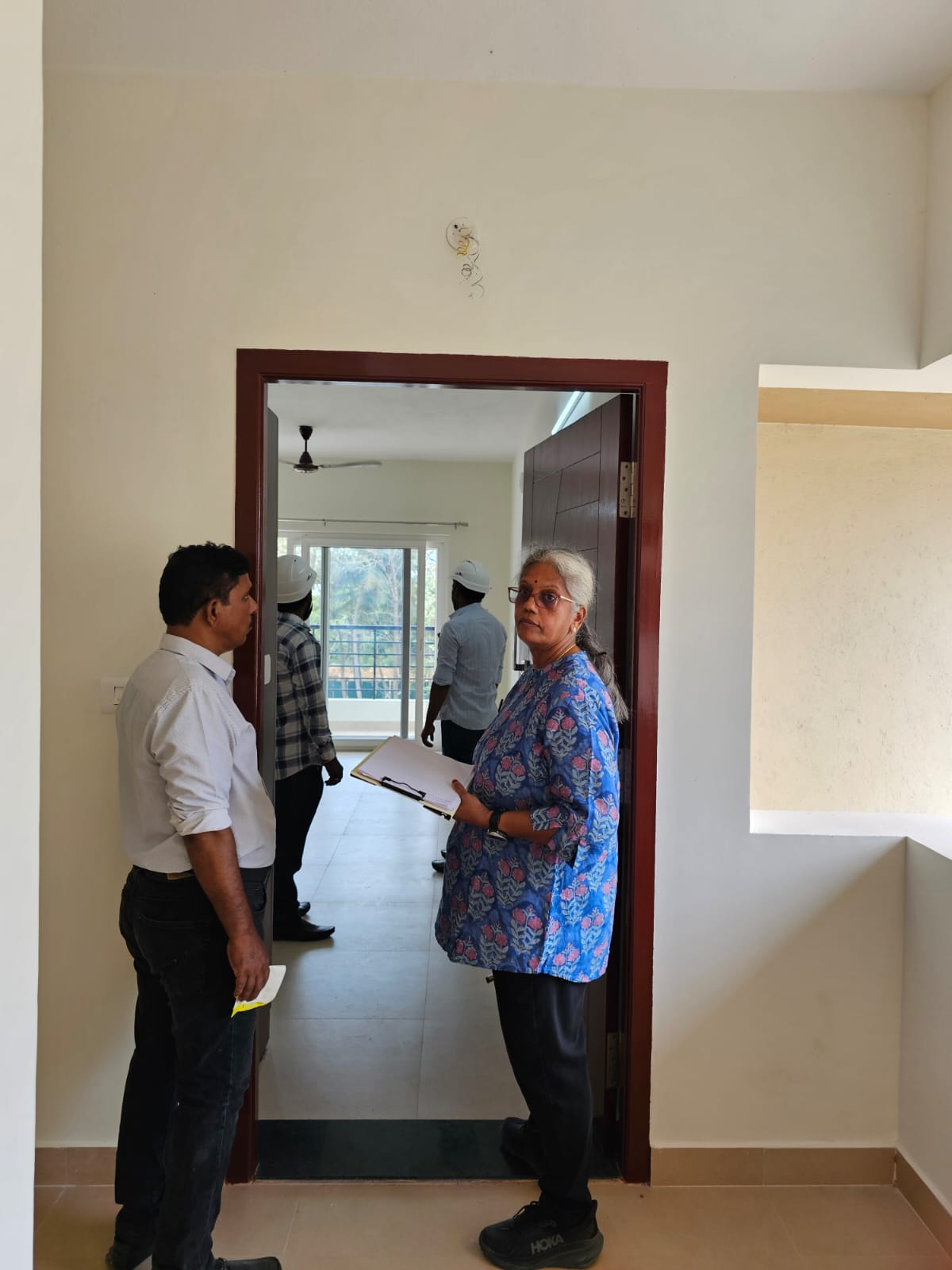

Two terms that confuse almost every first-time property buyer: home inspection and home appraisal. They sound similar, they both involve a professional visiting the property, and both are often required before a sale can complete — but they serve completely different purposes, produce completely different outputs, and protect completely different interests. Mixing them up can cost you dearly.
This guide explains both processes clearly, shows you how they work together in a property transaction, and helps you understand exactly what each one does and doesn’t protect you from.
The Core Difference in One Sentence
A home appraisal tells you what a property is worth. A home inspection tells you what condition it’s in. Both matter — but they answer entirely different questions, and neither one substitutes for the other.
An appraisal protects the lender’s money. A home inspection protects yours. You need both.
What Is a Home Appraisal?
A home appraisal is a professional estimate of a property’s current market value, conducted by a licensed value or appraiser. Appraisals are typically required by lenders before approving a home loan — the bank wants to confirm the property is worth at least as much as they are being asked to lend against it.
The appraiser assesses the property based on:
- Recent comparable sales of similar properties in the area
- The property’s size, configuration, land area, and location
- General condition and fit-out level — but not in the technical detail of an inspection
- Zoning, planning overlays, and legal status of the property
- Market conditions at the time of valuation
Crucially, a home appraisal is not a building inspection. The appraiser notes general condition but is not assessing structural integrity, identifying defects, or evaluating the performance of systems. An appraiser who observes an obviously damaged roof will note it — but they are not looking for the hidden moisture damage behind the bathroom wall that would be found by a thermal imaging home inspection.
What Is a Home Inspection?
A home inspection is a detailed, technical assessment of a property’s physical condition conducted by a licensed home inspector. Unlike an appraisal, a home inspection does not produce a value — it produces a home inspection report documenting every visible and accessible defect, deficiency, and area of concern, with photographs, severity ratings, and recommended remedial actions.
A home inspection covers:
What a Complete Home Inspection Covers |
✓ Structural elements: foundations, frame, walls, floors, ceilings, roof structure |
✓ Roofing: covering, flashings, gutters, drainage, roof space condition |
✓ Electrical system: switchboard, wiring, outlets, safety switches, earthing |
✓ Plumbing: supply pipes, drainage, hot water, fixtures, water pressure |
✓ Pest inspection (combined): termites, wood borers, timber decay fungi |
✓ Thermal imaging (add-on): moisture, insulation, electrical hotspots |
✓ Bathrooms and wet areas: waterproofing, tiling, ventilation |
✓ Subfloor: structure, drainage, moisture, pest evidence |
✓ Exterior: cladding, windows, paths, retaining walls, drainage |
Side-by-Side Comparison: Inspection vs Appraisal
Factor | Home Inspection | Home Appraisal |
Purpose | Assess physical condition of property | Determine current market value |
Who commissions it | Buyer (or seller for pre-sale) | Lender / bank (or buyer privately) |
Who conducts it | Licensed building inspector | Registered value / appraiser |
What it produces | Detailed condition report with photos | Market valuation report with comparable sales |
Duration | 2–5 hours on site | 30–60 minutes on site |
Report length | 30–80+ pages | 5–20 pages |
Defects identified | Yes — detailed with severity ratings | General observations only |
Negotiation use | Direct basis for price renegotiation | Used by lender to approve loan amount |
Required by lender? | Usually not — but strongly recommended | Almost always required for home loan |
Protects buyer from? | Hidden defects and unexpected repair costs | Overpaying relative to market value |
Do You Need Both? Yes — and Here’s Why
Many buyers make the mistake of assuming the bank’s appraisal means the property is in good condition. It doesn’t. An appraisal that comes back at purchase price tells you the property is fairly valued — it tells you nothing about the state of the electrical wiring, the presence of termites, the integrity of the waterproofing, or the condition of the structural frame.
Equally, a clean home inspection report doesn’t mean you haven’t overpaid for the property. You can buy a structurally sound, well-maintained home at 20% above market value — and a home inspection won’t tell you that. The appraisal will.
Both serve distinct, non-overlapping purposes. Skipping either one leaves a significant gap in your due diligence.
The 4 Point Inspection: A Third Type of Assessment
In addition to standard building inspections and appraisals, insurance companies often require a four point home inspection before issuing homeowners insurance on older properties. This 4pt inspection focuses on four systems: roof, electrical, plumbing, and HVAC — the systems most likely to generate insurance claims.
A 4 point inspection is not a substitute for a full home inspection — it covers only four systems with relatively limited depth. If your insurer requires a 4 point inspection near me, complete this requirement while also commissioning a comprehensive home inspection for your own protection.
When Home Inspection Reports Affect Appraisal Value
There is an important intersection between home inspections and appraisals: when a home inspection uncovers significant defects, those defects can affect the property’s appraised value — and therefore the lender’s willingness to lend against it at the agreed purchase price.
A property with a severely deteriorated roof, significant structural movement, or major electrical faults may appraise below the purchase price — because a valuer who observes these conditions will factor in the cost of remediation. In these cases, the buyer faces either renegotiating the purchase price or finding additional funds to make up the gap between appraised value and purchase price.
This is another reason why commissioning your home inspection early — ideally before the appraisal — gives you maximum flexibility. If major defects are found, you can renegotiate the purchase price before the bank’s appraisal is conducted.
Choosing Home Inspection Companies Near You
When searching for home inspection companies near me or home inspectors in my area, the distinction between inspection and appraisal is important when evaluating what’s being offered. Some companies offer inspection-adjacent services that are not full building inspections — make sure you understand exactly what you are purchasing.
A comprehensive home inspection from a licensed, insured inspector includes:
✓ What Full Inspection Includes | ✗ What Appraisal / Valuation Includes |
Structural assessment of all visible elements | General overview of property condition |
Roof inspection from the roof surface | Comparable sales research and analysis |
Roof space and subfloor entry and inspection | Market value determination for lending |
Electrical system assessment | Zoning and planning status review |
Plumbing system and pressure testing | Basic observation of major visible condition |
Bathroom waterproofing assessment | No defect documentation or severity rating |
Pest inspection (if combined service) | No pest or moisture assessment |
Thermal imaging (if included or added) | No detailed systems assessment |
How SnagMash360 Fits Into Your Due Diligence
SnagMash360 (snagmash360.in) provides the inspection side of your property due diligence — the detailed physical condition assessment that protects you from hidden defects, unexpected repair costs, and uninformed purchase decisions. Our certified, insured inspectors deliver home inspection reports that are comprehensive, photographically documented, and delivered within 24 hours.
Whether you need a standard home inspection, combined building and pest inspection, thermal imaging home inspection, 4 point home inspection, structural inspection, or new home inspection — SnagMash360 provides the independent, expert assessment that complements your lender’s appraisal and completes your due diligence picture.
Complete Your Due Diligence — Book with SnagMash360 Don’t rely on your lender’s appraisal to protect your purchase. A professional home inspection from SnagMash360 gives you the detailed condition picture the appraisal never provides. Certified inspectors, 24-hour reports, transparent pricing. Visit snagmash360.in or email info@snagmash360.in to book today. |
Frequently Asked Questions
Can a home inspection lower the appraisal value?
Not directly — the home inspection and appraisal are independent processes. However, if a home inspection reveals significant defects and those findings lead to renegotiation of the purchase price, the lower purchase price may affect the loan structure. Additionally, if defects are visible to the appraiser, they may factor remediation costs into the market value assessment.
Does my lender require a home inspection?
Most lenders require a home appraisal but not a home inspection. The home inspection is primarily for the buyer’s protection — it is not a lender requirement in most cases. However, some government-backed loan programs may require inspection of specific elements. Check with your lender and mortgage broker for your specific situation.
What if the appraisal comes in below the purchase price?
If the appraisal is below the agreed purchase price, the lender will only lend based on the appraised value. You then have three options: renegotiate the purchase price with the seller to match the appraised value; make up the difference from your own funds; or withdraw from the purchase if your contract allows. This is called an appraisal gap.
How do I find licensed home inspectors near me?
Search for licensed home inspectors near me and verify credentials, insurance coverage, and sample reports before booking. SnagMash360 operates across India and can confirm availability in your area at snagmash360.in.