

Property auctions present a unique challenge for property buyers: traditional purchase processes give buyers a contract period to commission inspections and renegotiate based on findings, but auction sales are typically final at the fall of the hammer with no inspection conditions and no opportunity to walk away. This makes the pre-auction inspection process completely different from standard property purchase — and getting it right is the difference between a successful investment and a costly disaster.
This guide explains how to approach property inspection for auction purchases — from the pre-auction inspection strategy that protects you from buying a property full of hidden problems, to managing inspection on tight timeframes, to making auction-day decisions based on inspection findings. If you’re considering bidding at any auction — from residential estates to commercial properties to bank-recovered assets — read this guide first.
At auction, there’s no inspection clause, no due diligence period, no chance to renegotiate. Whatever you bid is what you pay — and whatever defects the property has are now yours to fix. Pre-auction inspection is not optional. It’s everything.
Why Auction Property Is Different
Standard property purchases give buyers procedural protections: an offer subject to inspection, a due diligence period, the ability to withdraw or renegotiate based on findings. Auction sales abandon all of these protections in exchange for a faster, more transparent sale process. The trade-off is significant:
Standard Property Purchase | Auction Property Purchase |
Offer made subject to inspection and finance | Bid is unconditional — no inspection clause |
Inspection commissioned during contract period | All inspection must be completed BEFORE auction |
Findings used to negotiate price reduction or repairs | Findings inform your maximum bid, not negotiation |
Buyer can withdraw if findings are unacceptable | Cannot withdraw after winning bid — contract is firm |
Settlement period: typically 30–90 days | Settlement period: often immediate or very short |
Failed deal = lose deposit only or sometimes nothing | Failed completion = lose 10% deposit + legal action |
Multiple opportunities to assess and reassess | Single opportunity to assess; bid based on that |
Conditional contracts protect buyer at each step | Caveat emptor — buyer beware applies fully |
Types of Property Auctions in India
Different auction contexts have different inspection considerations:
Bank Auctions (SARFAESI Sales)
Banks and financial institutions conduct property auctions to recover defaulted loans. These properties are typically:
- Sold ‘as is, where is’ with no warranty from the bank
- Sometimes occupied by the previous owner with limited access for inspection
- May have legal complications including pending litigation, encumbrances, or possession disputes
- Often substantially below market price reflecting these complications
- Available for inspection only in limited time windows before the auction date
Court-Ordered Auctions
Property sold through court orders — typically for debt recovery, estate settlement, or division of jointly-owned property — has similar limitations to bank auctions but with additional legal complexity. Inspection access can be particularly restricted, and legal complications are often more significant than financial.
Government Property Auctions
Government bodies dispose of surplus property through auction. These properties may have unique considerations including zoning restrictions, planning constraints, and potential development limitations. Inspection should include not just physical condition but also planning and zoning verification.
Developer Inventory Auctions
Some developers auction unsold inventory at the end of a project. These typically have less restrictive access for inspection but require new home inspection focus given the new build context. Standard new build defect patterns apply.
The Pre-Auction Inspection Strategy
Given the unconditional nature of auction purchases, the pre-auction inspection strategy must be comprehensive enough to give you confidence in your maximum bid — knowing that whatever you bid will become an unconditional commitment. This requires a focused, time-constrained inspection approach:
Step 1: Identify Inspection Access Windows
Auction properties are typically available for inspection only in limited time windows — sometimes only one or two open days before the auction. Confirm the specific access dates and times immediately, and book your inspector for the earliest possible access window. Don’t leave inspection booking until close to the auction date — qualified inspectors get booked quickly for auction inspections.
Step 2: Commission Comprehensive Inspection in One Visit
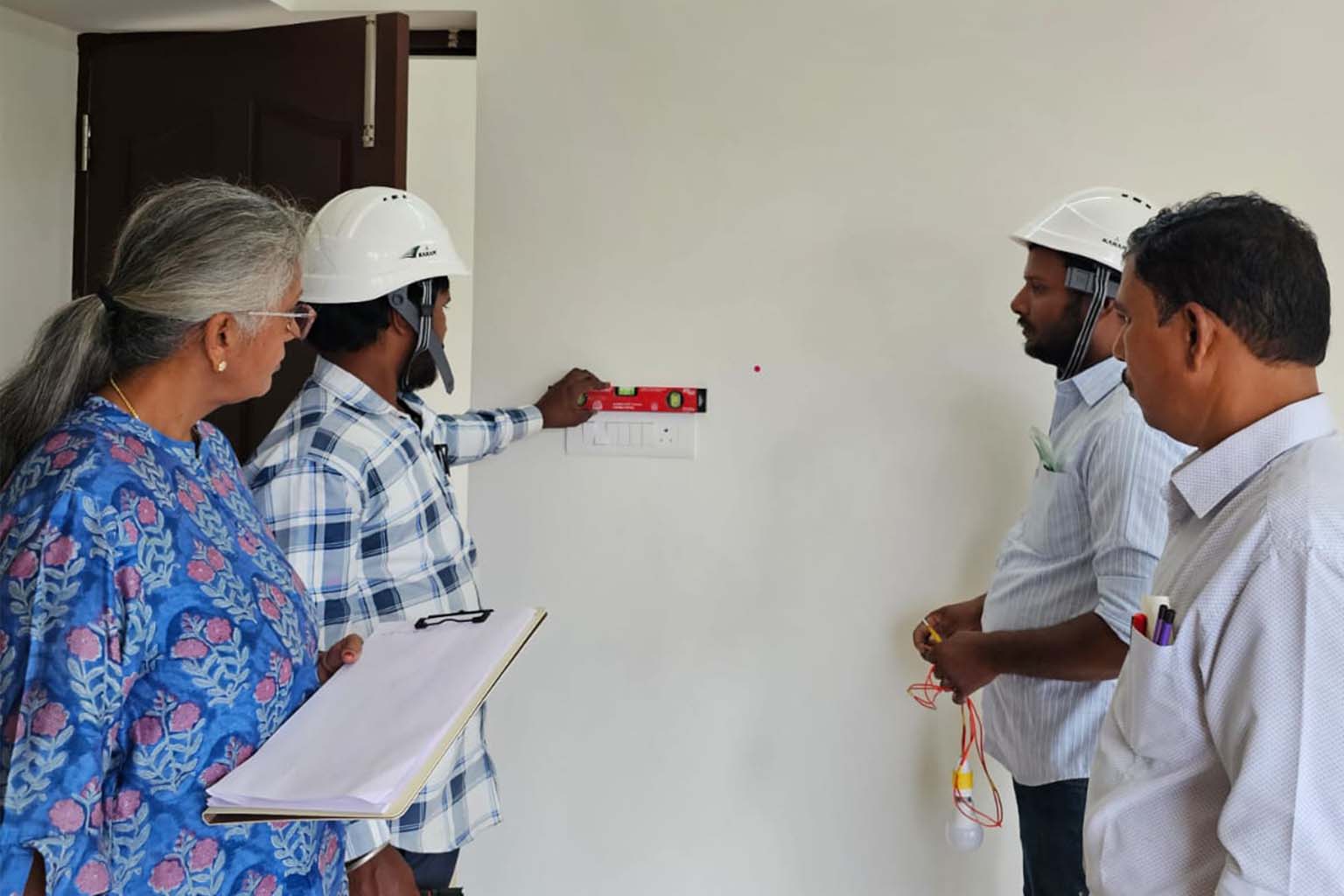
Unlike standard purchases where you can phase inspection across the contract period, auction inspection typically requires everything in a single visit. Book a comprehensive inspection package that covers:
Auction Property Inspection Comprehensive Scope |
✓ Full building inspection: all visible and accessible areas |
✓ Building and pest inspection: combined assessment with attention to timber elements |
✓ Thermal imaging home inspection: critical for detecting concealed moisture and electrical issues |
✓ Residential electrical inspection: particularly important for older auction properties |
✓ Structural engineering: if any structural concerns are evident or property is older |
✓ Environmental inspection: asbestos and lead paint for pre-1990 properties |
✓ Title and legal verification: parallel investigation by your conveyancer |
✓ Drainage and stormwater assessment: often overlooked but critical for many auction properties |
Step 3: Get Trade Quotes for Major Findings
Where the inspection identifies major findings, get trade quotes immediately. The auction date doesn’t wait for your due diligence — you need cost estimates for any major remediation before you bid. Reputable contractors will typically provide indicative quotes based on inspection findings even without a full site visit, particularly when you explain the auction context.
Step 4: Calculate Your Maximum Bid
Use inspection findings to set your maximum bid:
- Start with the property’s market value in fully renovated condition
- Subtract estimated rectification costs for all major findings
- Subtract a contingency for issues that inspection couldn’t access (typically 5–10% of estimated remediation)
- Subtract your required profit margin or investment return
- The result is your maximum bid
Discipline at auction means walking away if bidding exceeds your maximum. Many auction buyers exceed their calculated maximum in the heat of bidding and regret it the following day. A documented inspection report and trade quotes provide the rational anchor that helps you stay disciplined.
Common Auction Property Issues
Certain issues appear with much higher frequency in auction properties than in standard market sales. Awareness helps you focus inspection effort:
Auction Property Issue | Why It’s More Common | Inspection Focus |
Deferred maintenance | Financial distress preceding auction leads to neglect | Comprehensive condition assessment of all systems |
Unauthorised modifications | Previous owner may have made unapproved changes | Verify against original approved plans |
Structural damage | Lack of maintenance allows structural issues to develop | Structural inspection particularly important |
Water damage | Plumbing issues unrepaired during financial distress | Thermal imaging for concealed moisture |
Pest infestation | Unmanaged termite or other pest activity | Building and pest inspection essential |
Vandalism damage | Properties left vacant often suffer vandalism | Detailed visual inspection of fittings and finishes |
Stripped fixtures | Departing owners sometimes remove fixtures | Verify inclusions against marketed condition |
Legal and Title Due Diligence: Parallel to Physical Inspection
Physical inspection is only half the auction due diligence puzzle. Equally important is comprehensive legal and title verification by a qualified conveyancer or solicitor. For auction properties, this should include:
- Title verification: ensuring clear, marketable title with no undisclosed encumbrances
- Charge and lien verification: confirming the sale will discharge all secured debts
- Occupation status: who currently occupies the property and what rights they have
- Pending litigation: any current legal proceedings affecting the property
- Planning and zoning compliance: any orders, breaches, or restrictions
- RERA compliance for new builds: registration and compliance status
- Tax and rates status: any outstanding municipal taxes or charges
- Society dues and approvals: for apartments, society NOC and dues clearance
Inspection Cost vs Auction Disaster Cost
Pre-auction inspection costs more than standard pre-purchase inspection for several reasons: urgent scheduling, comprehensive scope in single visit, often includes specialist input. Typical costs:
Inspection Component | Disaster If Skipped |
Comprehensive building + pest | Structural defects |
Thermal imaging | Concealed water damage discovered post-purchase |
Structural engineering | Foundation issues |
Environmental (pre-1990) | Asbestos remediation |
Full auction package | Auction disaster |
When Auction Inspection Access Is Restricted
Sometimes auction properties have very limited inspection access — particularly bank auctions of properties where the previous owner remains in possession. In these situations:
- Maximise the time available during the open inspection window
- Use external assessment, neighbouring property observation, and council records to supplement limited internal access
- Apply higher contingency margins to your maximum bid to account for unknown internal conditions
- Consider whether the property is worth the additional risk — sometimes inspection limitations should disqualify the property entirely from consideration
- Document your inspection limitations: a report that notes which areas could not be accessed is more useful than one that pretends comprehensive coverage
Post-Auction Settlement Inspection
After winning an auction, before settlement (if any settlement period exists), commission a brief verification inspection if possible. This confirms that no significant deterioration has occurred between auction and settlement, and documents the actual handover condition for any future warranty or insurance purposes.
SnagMash360 Auction Inspection Services
SnagMash360 (snagmash360.in) provides specialised pre-auction inspection services across India — designed specifically for the tight timeframes and comprehensive scope that auction purchases require. Our auction inspection packages include rapid scheduling, single-visit comprehensive assessment, immediate verbal feedback, and detailed written reports delivered within 24 hours.
We work with property investors, business buyers, and individual purchasers across India who participate in bank auctions, court auctions, and other auction sale processes. Our reports are structured specifically for auction context — focused on findings that materially affect your maximum bid, with clear documentation of inspection scope and limitations.
Auction Property? Get Specialist Pre-Auction Inspection Don’t bid blind. SnagMash360 delivers comprehensive pre-auction inspection on tight timeframes, with rapid scheduling and clear, actionable findings. Available for bank auctions, court auctions, and all property auction contexts across India. Visit snagmash360.in or email info@snagmash360.in for urgent auction inspection scheduling. |
Frequently Asked Questions
Can I make my auction bid conditional on inspection?
Generally no — auction bids are unconditional by design. Some private treaty sales conducted by auction houses may allow conditions, but true auction sales (where the hammer fall creates a binding contract) do not. This is exactly why pre-auction inspection is so important.
How quickly can I get an inspection before an auction?
Reputable inspection companies can typically provide inspections with 1–3 days’ notice for urgent cases, including weekend availability for auction context. Book as soon as you decide to consider the property — don’t wait until close to the auction date.
What if the inspection reveals major issues?
Three options: (a) skip the auction entirely if findings make the property unviable; (b) bid significantly below market value to compensate for the rectification cost; (c) get trade quotes for remediation and bid based on adjusted total cost of ownership. The disciplined approach is always to factor findings into your maximum bid, not to ignore them.
Are auction properties always cheaper than market value?
Often yes — typically 10–25% below comparable market value to compensate for the unconditional purchase risk and the issues common in auction properties. However, well-publicised auctions of high-quality properties sometimes achieve full market value. The discount reflects the risk you’re taking by purchasing unconditionally — and that risk is exactly what makes pre-auction inspection essential.
How do I find home inspectors near me with auction experience?
Ask specifically about auction inspection experience and willingness to work to urgent timeframes. SnagMash360 has dedicated auction inspection capability across India’s major markets — visit snagmash360.in for urgent scheduling.