
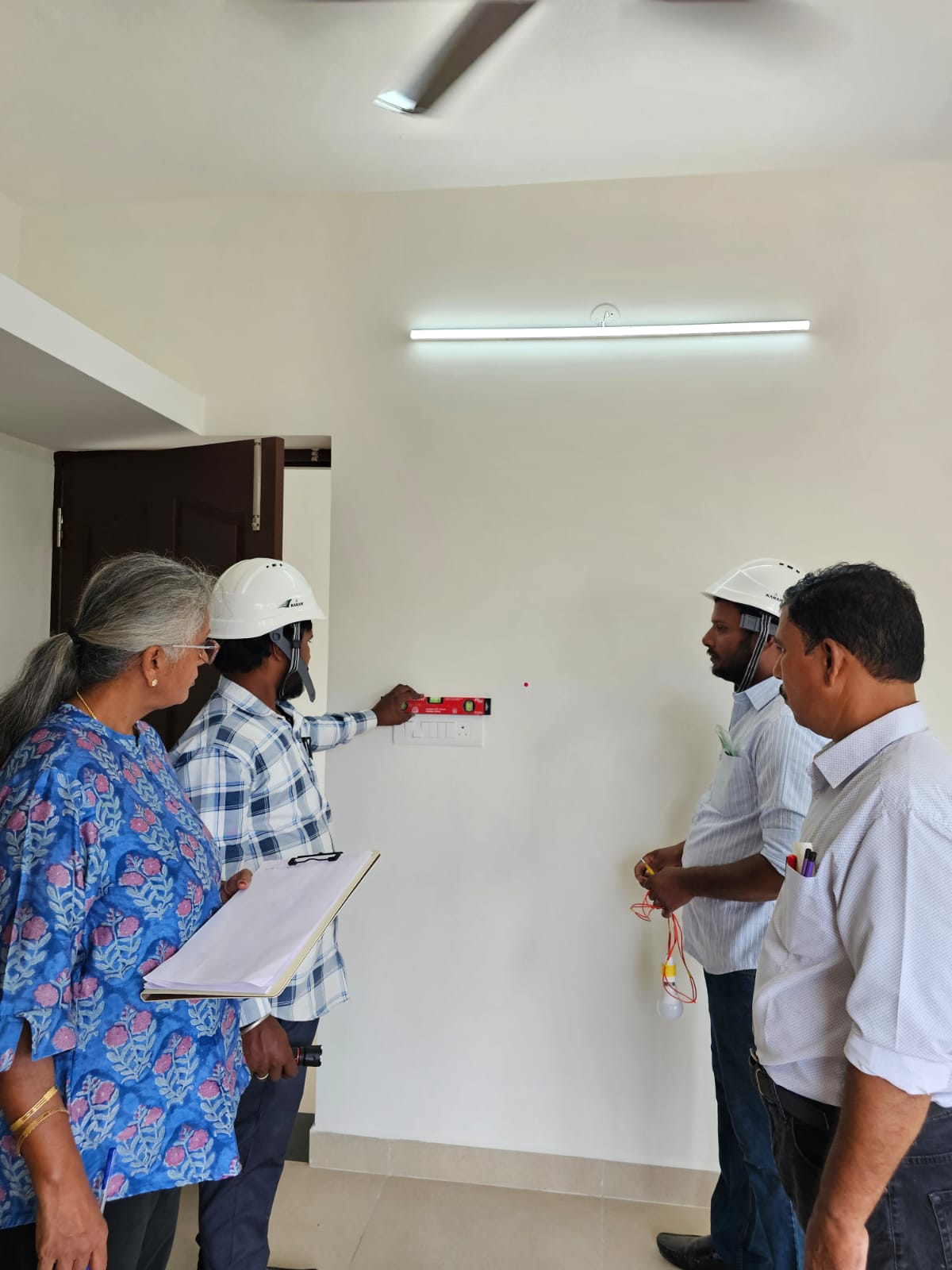

Construction defects become legal matters more often than most property owners anticipate. Builders refuse to rectify defects. Societies dispute developer accountability during warranty periods. Multiple property owners in the same project consolidate claims. Insurance disputes escalate to formal proceedings. Consumer forums, RERA tribunals, civil courts — the venues for construction defect disputes are many, and the outcomes depend heavily on the quality of professional evidence supporting each party’s position. Litigation-support inspection is the specialised assessment that turns construction defects into documented cases.
This guide explains how litigation-support inspection differs from standard inspection, what documentation standards legal proceedings require, and how professional expert evidence changes construction defect litigation outcomes. Whether you’re pursuing or defending construction defect claims, this guide is essential reading.
Construction defect litigation is won or lost on evidence quality. Professional inspection reports that meet forensic documentation standards — with methodology that survives cross-examination — are the difference between successful claims and expensive dismissals.
Why Litigation-Support Inspection Is Specialised
What Makes Litigation-Support Inspection Different |
✓ Documentation standards meeting legal evidence requirements |
✓ Methodology defensible under cross-examination |
✓ Inspector credentials qualifying as expert witness |
✓ Report format supporting formal legal use |
✓ Detailed evidentiary standards for photographs and measurements |
✓ Cause-and-effect analysis supporting legal theories |
✓ Cost estimation methodology supporting damages claims |
✓ Coordination with legal counsel throughout process |
✓ Availability for expert testimony |
✓ Understanding of relevant construction standards and codes |
Common Construction Defect Litigation Contexts
Individual Property Owner vs Builder
Single property owner pursuing rectification or damages:
- Warranty period defects builder refuses to address
- Post-warranty defects with builder accountability arguments
- Specific defects with major cost implications
- Systematic quality issues affecting property value
- Misrepresentation about property condition at sale
Society vs Developer Litigation
Society management pursuing collective claims:
- Common area defects during warranty period
- Major systems failures affecting multiple units
- Structural issues affecting building integrity
- Amenity and facility delivery disputes
- Society formation and handover disputes
Class Action-Style Multi-Owner Claims
Multiple property owners with common issues:
- Consolidated claims for systematic quality issues
- Similar defects across multiple units
- Common area and infrastructure claims
- Specification compliance across the project
- Timeline and delay-related claims
Insurance and Warranty Disputes
Coverage and warranty enforcement:
- Insurance company disputes about coverage or damage attribution
- Warranty coverage disputes between owner and manufacturer
- Multiple-party coverage disputes
- Time-limited coverage issues
- Subrogation claims between insurance companies
Litigation-Support Inspection Methodology
Litigation-support inspection follows methodology designed to withstand legal scrutiny:
- Comprehensive site inspection following documented protocols
- Systematic photographic documentation with metadata
- Detailed measurements and technical assessments
- Materials sampling where relevant with chain of custody
- Cause-and-effect analysis of identified defects
- Cost estimation with supporting basis
- Comparison with applicable standards and codes
- Timeline reconstruction of defect development
- Documentation of methodology for defensible use
- Report preparation meeting legal evidence standards
Documentation Standards for Legal Use
Standard Inspection Report | Litigation-Support Inspection Report |
General condition assessment | Detailed methodology documentation |
Photographs supporting findings | Comprehensive photographic evidence with metadata |
Severity classification | Precise measurement documentation |
Cost estimates | Cause analysis with technical basis |
Recommendations for action | Damages quantification with detailed basis |
Standard professional format | Standards and codes comparison |
Written for owner decision-making | Written for legal proceedings use |
Coordination with Legal Counsel
Effective litigation-support inspection coordinates closely with legal representation:
- Case theory understanding informs inspection scope
- Specific evidentiary questions addressed systematically
- Report format matches proceedings requirements
- Inspector availability for consultation throughout case
- Expert witness testimony preparation
- Response to opposing expert reports
- Deposition and cross-examination preparation
Expert Witness Considerations
Litigation-support inspectors may serve as expert witnesses:
- Credentials qualifying as construction expert
- Professional experience relevant to case matters
- Prior expert witness experience an advantage
- Ability to explain technical matters accessibly
- Availability for extended proceedings involvement
- Preparation for challenging cross-examination
- Ongoing case involvement from inspection through resolution
Damages Quantification
Litigation-support inspection typically includes damages assessment:
- Cost of rectification with detailed basis
- Loss of property value from unresolved defects
- Consequential damages from delayed rectification
- Interim housing or operational costs
- Insurance and legal cost implications
- Time-based damages calculations
- Alternative remediation approaches with cost comparison
Litigation-support inspection costs seem substantial but are typically modest compared to the amounts at stake in construction defect litigation. Successful claims recover multiples of the inspection investment; unsuccessful claims often fail specifically because of inadequate evidence.
SnagMash360 Litigation-Support Inspection Services
SnagMash360 (snagmash360.in) provides specialised litigation-support inspection services across India for construction defect matters. Our senior inspectors have experience preparing evidence for consumer forums, RERA tribunals, civil proceedings, and insurance disputes — providing the documentation standards and expert witness capability that formal legal proceedings require.
We work with individual property owners pursuing construction defect claims, society management coordinating collective claims, family lawyers and property litigation counsel, insurance claim disputes, and expert witness engagement for complex matters.
Construction Defect Litigation Deserves Expert Evidence Legal proceedings around construction defects are won on evidence quality. SnagMash360’s litigation-support inspection provides the forensic-standard documentation and expert witness capability that construction defect cases require. Available across India. Visit snagmash360.in or email info@snagmash360.in to discuss litigation-support inspection. |
Frequently Asked Questions
When should I engage litigation-support inspection vs standard inspection?
If your matter has reached (or may reach) legal proceedings — RERA complaints, consumer court, civil litigation — litigation-support inspection provides the documentation standards these venues require. Standard inspection may be adequate for private negotiations but often falls short in formal proceedings.
Can standard inspection reports be upgraded to litigation-support standards?
Sometimes — depending on the standard inspection scope and format. Often re-inspection with litigation-support methodology is more effective than trying to retrofit standard inspection reports. Consult with legal counsel about specific requirements.
How is expert witness testimony coordinated?
Through legal counsel typically. Expert engagement involves ongoing relationship: inspection, report preparation, deposition testimony, trial testimony, response to opposing expert reports. Cost structure typically involves inspection fee plus daily rates for ongoing legal involvement.