
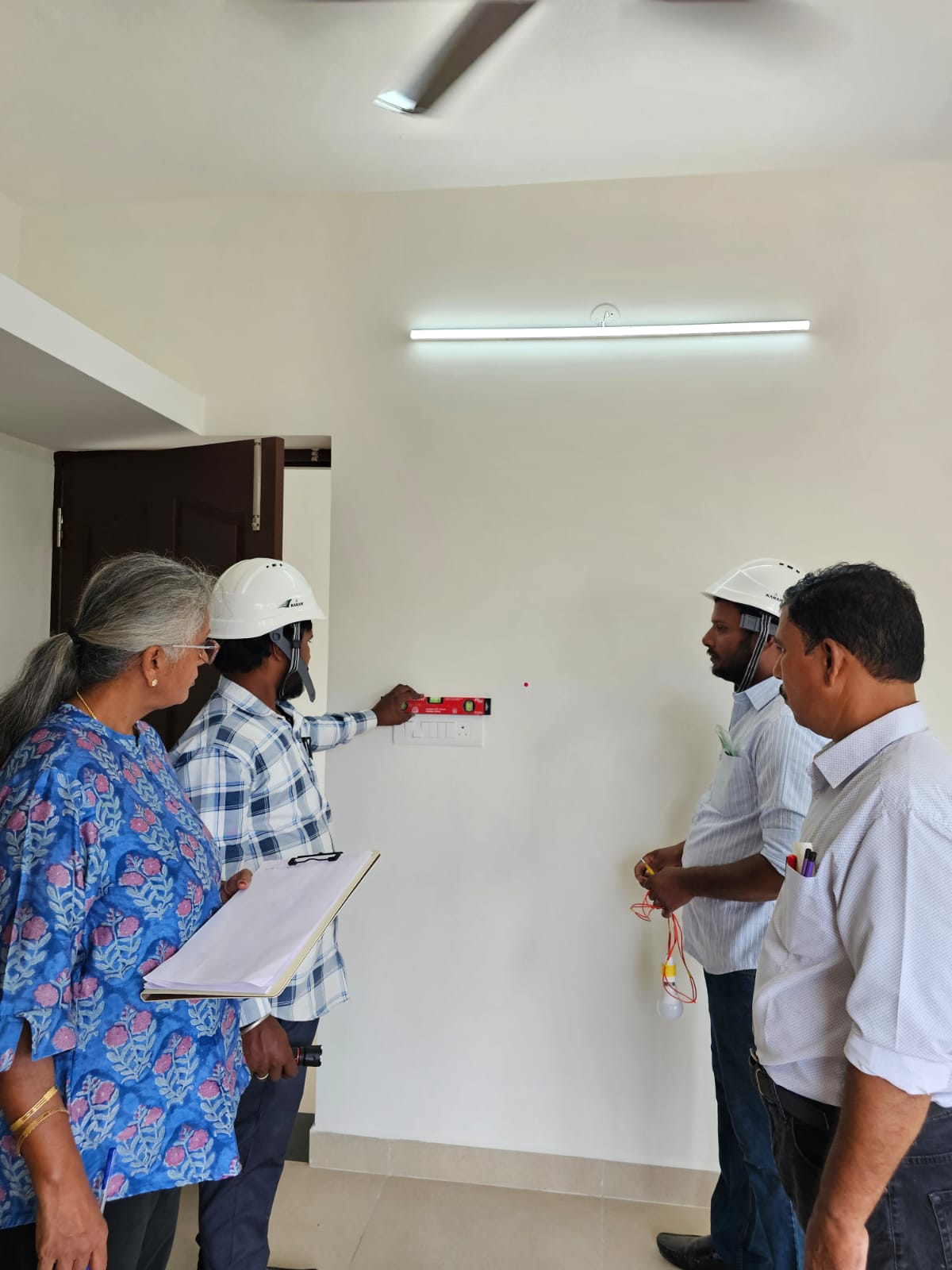

Earthquakes affect a significant portion of India — from the high-risk Himalayan belt to moderately active regions across Gujarat, Maharashtra, and the Andaman-Nicobar Islands. After a felt seismic event, even one that didn’t cause immediately visible damage, property structural integrity may be compromised in ways that aren’t apparent without professional assessment. Continuing to occupy a structurally compromised property after an earthquake creates serious safety risks — and going through repair without proper assessment leaves underlying issues unaddressed.
This guide explains exactly when post-earthquake inspection is necessary, what professional seismic damage assessment involves, how to distinguish cosmetic damage from structural compromise, and how to make informed decisions about repair, occupation, or evacuation following seismic events. If your property has experienced any felt earthquake event, this guide provides essential safety information.
Earthquakes test buildings in ways nothing else does. Even structures that appear undamaged externally may have suffered internal structural compromise that affects safety. Professional inspection after any significant felt event is the only reliable way to verify continued structural integrity.
Understanding Earthquake Impact on Buildings
Earthquakes affect buildings through multiple mechanisms — and damage may not be immediately visible:
How Earthquakes Damage Buildings |
✓ Ground shaking creates dynamic loads beyond design parameters |
✓ Differential settlement between foundation elements |
✓ Stress concentrations at structural connections and junctions |
✓ Cumulative micro-damage from repeated cycles even in moderate events |
✓ Soil liquefaction in vulnerable foundation conditions |
✓ Resonance effects in tall or particular geometry buildings |
✓ Damage to non-structural elements (cladding, partitions, services) |
✓ Effects often invisible without specialist assessment |
✓ Aftershock vulnerability of damaged structures |
✓ Long-term progression of initial damage if unaddressed |
Indian Seismic Zone Considerations
India’s seismic zoning affects inspection priority and methodology:
Seismic Zone | Regions | Inspection Priority |
Zone V (highest) | Himalayan belt, NE India, Kachchh | Critical for any felt event |
Zone IV | Delhi, parts of N India, Gujarat | High priority for felt events |
Zone III | Mumbai, Chennai, Kolkata, others | Important for noticeable events |
Zone II | Southern peninsula, Karnataka | Lower priority but not negligible |
Properties in higher seismic zones warrant more vigilant post-event inspection. Properties in lower zones may still need inspection after significant events, particularly for older or non-seismically-designed structures.
When Post-Earthquake Inspection Is Necessary
Several scenarios warrant post-earthquake property inspection:
Visible Damage After Any Event
Any visible damage following an earthquake event warrants professional assessment:
- Visible cracks in walls, particularly diagonal or step-cracks
- Cracks at corners of openings (doors, windows)
- Movement evident in fixed elements (doors, windows that now stick)
- Fallen plaster, broken tiles, displaced finishes
- Cracks at wall-ceiling or floor-wall junctions
- Visible movement of non-structural elements
- Falling debris or displaced fixtures
Significant Felt Events Even Without Visible Damage
Substantial seismic events may damage buildings even when damage isn’t immediately visible:
- Events of magnitude 5.0+ within reasonable distance
- Events where you felt strong shaking even if brief
- Events affecting your area for more than 30 seconds
- Events causing displacement of unfixed items in your property
- Events affecting neighbouring buildings visibly
- Sequence of multiple felt events in short period
Older Buildings After Any Felt Event
Buildings constructed before modern seismic design codes (typically pre-1980s in much of India) warrant inspection after any noticeable event:
- Heritage buildings with traditional construction
- Older masonry buildings without seismic reinforcement
- Buildings with previous repair history
- Buildings with prior damage or movement signs
- Buildings with non-engineered construction
- Multi-storey buildings predating modern codes
Special Building Types
Certain building types are more vulnerable and warrant inspection after smaller events:
- Soft-storey buildings (open ground floor, residential above)
- Buildings with irregular configuration
- Heavy masonry construction on light foundations
- Buildings on slopes or unstable ground
- Buildings with significant overhangs or cantilevers
- Buildings adjacent to recent excavation or construction
Post-Earthquake Inspection Methodology
Professional post-earthquake inspection follows specific methodology:
External Visual Assessment
Detailed external building inspection:
- Foundation visible portions: cracks, displacement, separation
- External walls: cracking patterns, displacement, separation from frame
- Roof: tile or sheet displacement, structural movement
- Connections: parapets, balconies, projecting elements
- External cladding: panel security, joint integrity
- Building separation from adjacent structures
- Site conditions: ground cracking, liquefaction evidence
Internal Visual Assessment
Comprehensive internal inspection:
- All walls inspected for cracking patterns
- Wall-ceiling and wall-floor junctions for separation
- Door and window operations checked
- Fixed elements (cabinets, fixtures) for displacement
- Services for damage: plumbing, electrical, gas
- Floors for level changes or separation
- Stairs and structural connection points
Structural Element Specific Assessment
For more detailed assessment:
- Beam-column connections checked for distress
- Beam-slab junctions inspected for separation
- Load-bearing walls assessed for cracking patterns
- Foundation elements inspected where accessible
- Crawl spaces and basements examined
- Visible reinforcement in damaged areas assessed
Specialist Assessment Where Indicated
Significant findings warrant specialist input:
- Structural engineering assessment for serious findings
- Geotechnical assessment if foundation/soil issues evident
- Specialist materials testing if structural concerns
- Long-term monitoring for progressive damage
- Code compliance assessment for repair planning
Distinguishing Damage Categories
Earthquake damage falls into distinct categories with different implications:
Non-Structural Damage | Structural Damage |
Cracks limited to plaster surface | Cracks through structural masonry or concrete |
Cosmetic finishes damage (paint, wallpaper) | Diagonal cracks at openings |
Tile displacement or breakage in finishes | Separation at structural connections |
Door and window minor sticking | Visible building lean or displacement |
Minor fixture displacement | Foundation movement evidence |
Cracking in non-structural partitions | Major cracks at wall-ceiling junctions |
Service line minor damage | Cracks across structural elements |
This distinction is critical. Non-structural damage can be remediated relatively simply with limited safety implications. Structural damage requires engineering assessment and may render the building unsafe for continued occupation.
Safety Decisions After Earthquake Inspection
Inspection findings inform critical safety decisions:
Inspection Finding | Implication | Action Required |
No significant damage | Building safe for continued use | Routine maintenance addressing minor items |
Non-structural damage only | Building safe with cosmetic repair needed | Schedule cosmetic remediation |
Minor structural damage | Building safe with structural repair | Plan and implement repair program |
Significant structural damage | Building safety compromised | Vacate for engineering assessment |
Severe structural damage | Building potentially unsafe | Evacuate immediately, expert assessment |
Aftershock Considerations
Aftershocks following main earthquake events require specific considerations:
- Buildings damaged by main event are more vulnerable to aftershocks
- Aftershock sequence may continue for days, weeks, or months
- Continued occupation during aftershock period requires assessment
- Re-inspection may be necessary after significant aftershocks
- Temporary shoring or stabilisation may be required
- Repair work timing must consider continuing seismic risk
Documentation for Insurance Claims
Insurance claims for earthquake damage require specific documentation:
Earthquake Damage Insurance Documentation |
✓ Professional inspection report identifying all damage |
✓ Photographic documentation from multiple angles and times |
✓ Distinction between earthquake damage and pre-existing conditions |
✓ Severity classification of identified damage |
✓ Repair cost estimates from qualified contractors |
✓ Documentation of any emergency measures taken |
✓ Evidence of the specific earthquake event (USGS records, etc.) |
✓ Communication records with insurance company |
✓ Engineering assessment for significant findings |
✓ Time-stamped documentation establishing damage timing |
Earthquake Insurance and Coverage Considerations
Earthquake insurance in India operates under specific frameworks:
- Standard property insurance typically excludes earthquake damage
- Earthquake coverage requires specific add-on policy
- Coverage availability varies by region (some high-risk areas may have limited coverage)
- Deductibles for earthquake claims often higher than standard claims
- Documentation requirements typically more rigorous than standard claims
- Inspection by independent professional supports legitimate claims
Pre-Earthquake Preparation
Before earthquakes occur, preparation supports better outcomes:
- Pre-event property condition documentation through inspection
- Identification of pre-existing condition issues for clarity post-event
- Assessment of building seismic resistance if in high-risk zone
- Earthquake insurance verification and adequacy
- Emergency response planning and supplies
- Identification of safe vs unsafe areas within the property
- Family/occupant earthquake response training
Specific Property Types After Earthquake
Apartment Buildings
Multi-unit buildings face specific post-earthquake considerations:
- Common structural elements affect every unit
- Society management responsibility for common area assessment
- Individual unit owners must coordinate with society management
- Different damage patterns at different floor levels
- Egress and access concerns if structural damage evident
- Insurance complexity between society and individual policies
Heritage and Historic Properties
Historic buildings require specialist post-earthquake assessment:
- Traditional construction more vulnerable to seismic damage
- Conservation considerations affecting repair options
- Specialist materials and trade requirements for repair
- Insurance and replacement value considerations
- Authority consultation often required for heritage repair
- Documentation important for heritage record maintenance
Commercial and Industrial Buildings
Commercial post-earthquake assessment considers:
- Continued operational safety for occupants and tenants
- Specialised systems damage assessment
- Business interruption beyond physical damage
- Tenant safety obligations of landlords
- Insurance coverage interaction between policies
- Regulatory reporting requirements in some jurisdictions
SnagMash360 Post-Earthquake Inspection Services
SnagMash360 (snagmash360.in) provides specialised post-earthquake property inspection services across India — with rapid response capability for property owners following significant seismic events. Our inspectors are trained in seismic damage assessment and combine general building inspection expertise with structural engineering input where significant findings warrant specialist assessment.
We work with individual property owners in seismic regions, society management coordinating multi-unit response, commercial property owners managing tenant safety obligations, heritage property owners requiring specialist assessment, and insurance brokers requiring independent damage documentation. Our reports support the safety decisions, insurance claims, and repair planning that follow seismic events.
Felt the Earthquake? Get Professional Safety Assessment Don’t continue occupying property that may be structurally compromised. SnagMash360 provides rapid-response post-earthquake property inspection with structural engineering input where warranted. Available across India for seismic event response. Visit snagmash360.in or email info@snagmash360.in for urgent post-earthquake inspection. |
Frequently Asked Questions
How soon after an earthquake should I get inspection?
Initial visual safety assessment should happen within 24 hours. Comprehensive professional inspection within 7–14 days. For severe damage scenarios where building safety is questionable, immediate evacuation and emergency engineering assessment is appropriate. Aftershock periods may warrant deferring some inspection until seismic activity stabilises.
Can I tell if my building is structurally damaged without inspection?
Some damage is obvious; much is not. Visible diagonal cracks at openings, doors that suddenly stick, or visible building lean indicate likely structural damage. However, significant structural compromise can occur without immediately visible signs. Professional inspection is the only reliable way to verify structural integrity after significant events.
Is post-earthquake damage covered by my insurance?
Only if you have specific earthquake insurance coverage. Standard property insurance typically excludes earthquake damage. Verify your specific coverage before assuming any damage will be covered. Professional inspection documenting damage timing and cause supports legitimate claims under earthquake coverage.
How long does post-earthquake damage take to fully manifest?
Some damage is immediate. Other damage progresses over days, weeks, or months after the event — particularly water damage from compromised waterproofing, settlement issues from foundation effects, or progressive cracking. Re-inspection at intervals after significant events catches this progressive damage.
How do I find home inspection companies near me with earthquake assessment capability?
Look for inspection companies with structural engineering capability or established structural engineer referral relationships. Post-earthquake assessment may require specialist engineering input beyond standard inspection. SnagMash360 provides combined building and structural assessment capability across India — visit snagmash360.in for details.
aLorem ipsum dolor sit amet, consectetur adipiscing elit. Ut elit tellus, luctus nec ullamcorper mattis, pulvinar dapibus leo.