
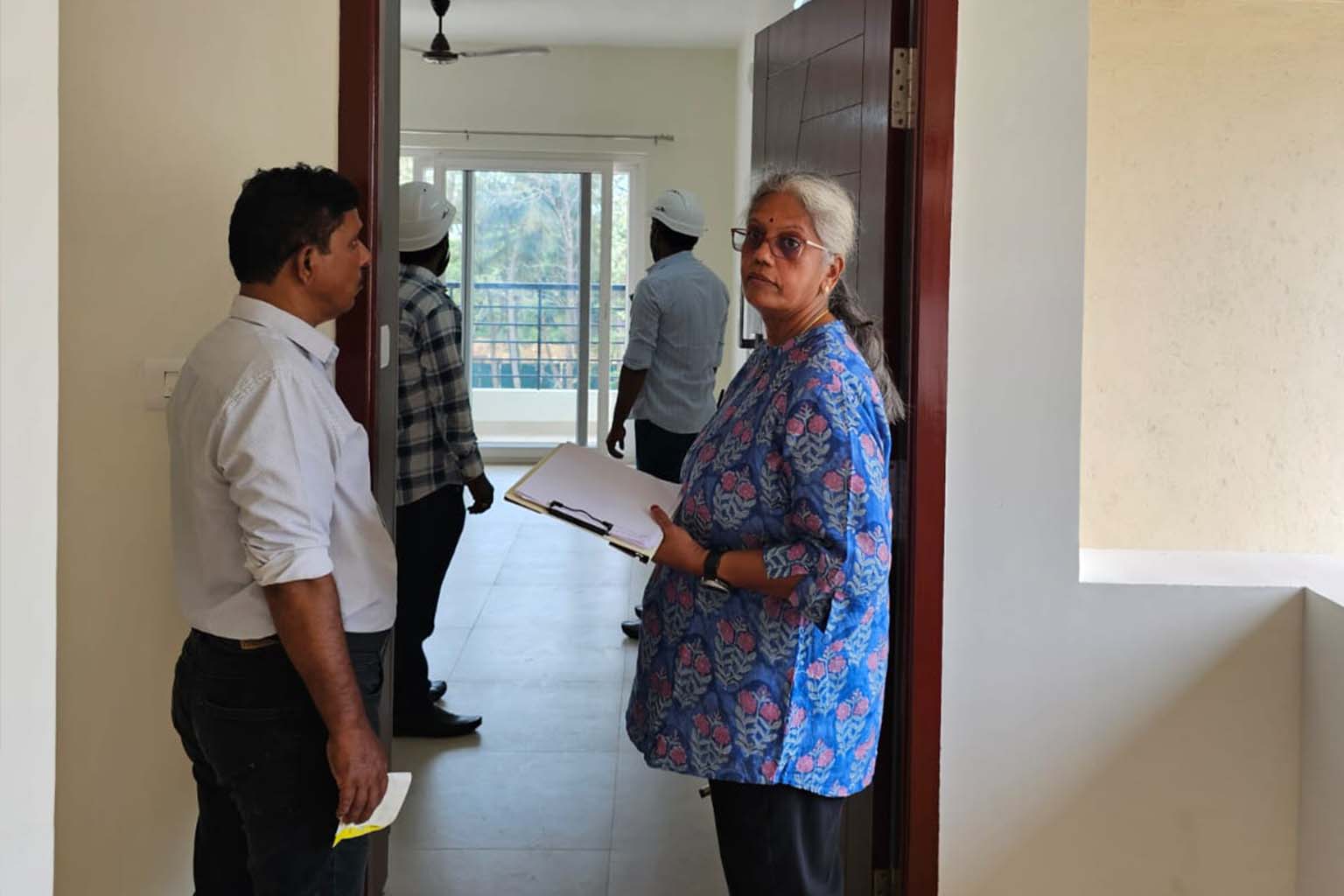

Talk to any experienced property inspector and they’ll tell you that the same misconceptions about home inspection come up again and again — costing buyers lakhs of rupees, exposing them to unnecessary risk, and undermining the protection that professional inspection is supposed to provide. These myths are persistent precisely because they sound reasonable. They appear to be common sense. They allow buyers to skip steps, save money, and move faster. They are also expensively wrong.
This guide debunks the most common — and most dangerous — myths about property inspection. If you’ve ever thought any of these things during a property purchase, you’re not alone — and this guide will save you from making the costly mistakes they lead to.
The most expensive thing a buyer can be is wrong about inspection. Skip it because of one myth, choose the wrong inspector because of another, ignore findings because of a third — and the cumulative cost adds up to a property that costs far more than it should.
Myth 1: ‘New Builds Don’t Need Inspection’
Perhaps the most expensive single myth in property purchasing. The reasoning seems sound: new construction has just been completed, the builder has just done quality control, the council inspector has just signed off — surely everything must be in good order?
Why This Myth Is Wrong
Industry data consistently shows that the majority of new builds contain defects at the time of practical completion — including significant defects that affect waterproofing, structural integrity, electrical safety, and plumbing. These defects emerge for predictable reasons:
- Construction is performed under time and cost pressure
- Multiple subcontractors with varying quality standards work sequentially
- Council inspections check code compliance at specific stages — not every element
- Builder site supervision is divided across multiple sites
Finishing trades work last under maximum time pressure
Myth 2: ‘My Agent Recommended an Inspector — They Must Be Good’
A buyer asks their real estate agent for an inspector recommendation. The agent suggests someone. The buyer assumes the agent’s recommendation reflects quality. This assumption is dangerous.
Why This Myth Is Wrong
Real estate agents have a financial interest in transactions closing. Some agents — though not all — recommend inspectors based on whether the inspector’s findings tend to support deals closing rather than on whether the inspector provides thorough, accurate assessment. An inspector who depends on agent referrals may consciously or unconsciously soften findings to preserve the referral relationship.
The Right Approach
Find your own inspector through independent research — check credentials, sample reports, online reviews, and credentials. Use the agent’s recommendation only as one input alongside your own due diligence. A genuinely confident, professional agent will respect — and may even welcome — your independent inspector selection. An agent who pressures you toward a specific inspector is showing you something important about their priorities.
Myth 3: ‘The Cheapest Inspector Is Fine — They Just Need to Check the Property’
Property inspection looks like a commodity service from the outside — same scope, same general methodology, same general output. So buyers reasonably conclude that the cheapest provider must offer the best value. This is one of the most expensive myths in property due diligence.
Why This Myth Is Wrong
The visible inspection report is the tip of an iceberg. Behind it sit massive differences in:
- Time on site: a thorough inspection takes 2.5–4 hours; a cheap inspection often takes under 90 minutes
- Equipment used: thermal imaging, moisture meters, electrical testers vs visual-only assessment
- Inspector qualifications: certified, insured professionals vs untrained operators
- Report quality: 40–80 page comprehensive reports vs 10-page checklists
- Follow-up support: detailed clarification vs hands-off after delivery
- Insurance coverage: protection if findings are wrong vs no recourse
A cheap inspection is to a thorough inspection what a 15-second medical examination is to a comprehensive health check. Both technically happen — but only one will actually identify your problems.
Myth 4: ‘If the Property Looks Good, It Probably Is Good’
Open houses are theatrical productions. Properties are professionally staged, freshly painted, and aesthetically optimised. Buyers who form positive impressions during inspection visits then expect the inspection report to confirm what they’re already feeling. This is exactly backwards.
Why This Myth Is Wrong
The visual aspects of a property that buyers respond to emotionally — finishes, layout, light, atmosphere — are almost entirely separate from the things that determine the property’s actual condition and long-term cost of ownership. Structural integrity, electrical safety, plumbing condition, drainage performance, pest activity, and waterproofing all matter far more than paint colour and staging — but none of them is visible to a normal property viewing.
Common Hidden Issues Behind Beautiful Properties
What Beautiful Properties Often Hide |
✓ Fresh paint covering pre-existing cracks and water damage |
✓ New flooring concealing moisture damage in subfloor |
✓ Replaced ceiling sections hiding past leak damage |
✓ Cosmetic kitchen renovation over old plumbing problems |
✓ Bathroom updates not addressing waterproofing failures |
✓ Painted exterior covering masonry deterioration |
✓ Replaced gutters not addressing drainage design issues |
✓ New paint hiding rust on metal fixtures and roofing |
Myth 5: ‘I’ll Just Negotiate the Price Down to Cover Any Issues’
Some buyers reason that since they’ll likely find some issues anyway, they can simply bid a bit lower to account for any defects that emerge. This approach allows them to skip thorough inspection and accelerate the purchase.
Why This Myth Is Wrong
This reasoning makes two fatal assumptions: (1) that you have a good estimate of what defects exist; and (2) that you have an inspection clause in your contract allowing renegotiation if you’re wrong. Both assumptions are typically incorrect:
- Without inspection, your estimate of defects is essentially a guess — and almost always wrong
- Major defects typically cost far more than buyers anticipate
- Once you’ve signed without an inspection clause, you have no negotiating leverage if issues emerge
- Defects that affect your ability to live in or insure the property may make the property unsuitable at any price
- The seller may already have factored expected discounts into the asking price — you’re not getting the discount you think you are
Myth 6: ‘I Used to Work in Construction — I’ll Inspect It Myself’
Buyers with construction or trades backgrounds sometimes feel qualified to inspect property themselves. This is more common than you might think — and consistently leads to expensive surprises after settlement.
Why This Myth Is Wrong
Even experienced construction professionals miss things when inspecting property for purchase because:
- Self-inspection lacks the systematic methodology of professional inspection
- Emotional investment in the purchase clouds professional judgement
- Single-trade backgrounds don’t cover all property systems
- Professional inspectors use specialist equipment (thermal imaging, moisture meters) that most trades don’t
- Inspection reports require professional structure and presentation for negotiation use
- Self-inspection provides no formal documentation supporting future warranty or insurance claims
- Even great tradespeople benefit from a second professional opinion
Myth 7: ‘A 4 Point Inspection Is Enough’
Some buyers — particularly those who’ve received an insurance requirement for a 4 point home inspection — assume that this focused assessment covers their needs adequately. It doesn’t.
Why This Myth Is Wrong
A 4pt inspection covers exactly four specific systems — roof, electrical, plumbing, HVAC — at the level of detail insurance companies require. It explicitly does NOT cover:
- Structural condition beyond visible electrical or roofing implications
- Pest activity including termite assessment
- Thermal imaging or moisture mapping
- Environmental concerns (asbestos, lead paint, mould)
- Bathroom waterproofing
- Outdoor structures and pool/spa systems
- Drainage and stormwater management
- Foundation and site assessment
If you need a 4 point inspection for insurance, get it — but commission a comprehensive home inspection separately for purchase decision purposes.
Myth 8: ‘The Inspection Report Just Lists Everything Wrong — That’s Normal’
Buyers receiving long inspection reports sometimes conclude that ‘every property has lots of issues’ and that no individual finding is therefore particularly significant. This reaction undermines the very point of inspection.
Why This Myth Is Wrong
Quality inspection reports document every finding — including normal maintenance items, minor defects, and major issues — precisely because differentiation by severity is the inspector’s job. The report’s value isn’t the length but the categorisation. Specifically:
How to Read Findings Correctly | How NOT to Read Findings |
Focus on safety hazards first — they require immediate response | Treating all findings as equally important or unimportant |
Major defects: get trade quotes for actual remediation cost | Assuming a long report means more defects than other properties |
Minor defects: budget for routine maintenance | Ignoring severity categorisation |
Maintenance items: factor into ongoing ownership costs | Walking away from any property with documented defects |
Investigate any ‘further investigation’ recommendations | Accepting findings without trade quotes for major items |
Use severity classification to prioritise negotiation | Failing to follow up further-investigation recommendations |
Discuss findings with inspector for clarification | Not asking the inspector about findings you don’t understand |
Myth 9: ‘I’m Buying To Renovate Anyway — Inspection Doesn’t Matter’
Buyers planning major renovation sometimes conclude that inspection is unnecessary because they’ll be replacing systems and finishes anyway. This reasoning is wrong on multiple levels.
Why This Myth Is Wrong
Renovation cost depends critically on the existing property’s condition:
- Structural problems that affect your renovation feasibility: load-bearing wall locations, foundation capacity, frame condition
- Asbestos and lead paint that affect your renovation cost (specialist removal required)
- Drainage and site issues that affect renovation possibilities
- Hidden defects that make your renovation more expensive than budgeted
- Heritage or planning constraints that affect what you can actually renovate
- Pest activity that must be addressed before any timber work
Renovating without pre-inspection is renovating without knowing what you’re starting with. The result is consistently budget overruns, scope changes, and discovered issues that should have informed the purchase price.
Myth 10: ‘If the Bank Approved the Loan, the Property Must Be Sound’
Buyers obtaining home loans sometimes assume that the bank’s approval process includes property condition assessment. It largely doesn’t.
Why This Myth Is Wrong
Bank approval involves a valuation — an estimate of market value for lending purposes. The valuation is NOT a building inspection:
- The valuer is not a building inspector and isn’t trained to identify defects
- Valuations focus on market value, not physical condition
- The valuer’s visit is typically 30–60 minutes, not several hours
- The valuer’s report doesn’t document specific defects
- The bank’s interest is in the property’s value as security for the loan, not the buyer’s protection from defects
- Properties with significant hidden defects routinely pass bank valuation
Your lender’s valuation protects your lender. Your home inspection protects you. They are completely different processes serving completely different interests.
Myth 11: ‘I’ll Get an Inspection Quote and Compare on Price’
Buyers comparing inspectors often request quotes from multiple providers and select on price. This approach treats inspection as a commodity service when it really isn’t.
Why This Myth Is Wrong
Comparing inspection quotes purely on price ignores massive variations in:
- Scope: what’s actually included vs charged separately
- Time: rushed inspection vs thorough assessment
- Equipment: visual-only vs thermal imaging and specialist tools
- Credentials: licensed and insured vs uncredentialled
- Report quality: comprehensive vs minimal documentation
- Follow-up: detailed clarification vs no support after delivery
Compare quotes on like-for-like scope: same property type, same inclusions, same report standard. Otherwise you’re comparing prices for fundamentally different services.
Myth 12: ‘The Inspector Found Issues — I Should Walk Away’
This is the opposite of Myth 8 — but equally damaging. Some buyers receive inspection reports identifying defects and immediately conclude they should withdraw from the purchase.
Why This Myth Is Wrong
Every property has defects. The question is never whether defects exist but whether the documented defects, in the context of the property’s price, condition, and value, make this a good or bad purchase. The right response to inspection findings:
- Categories findings by severity and approximate cost
- Get trade quotes for the major findings
- Calculate total cost of ownership including remediation
- Compare adjusted total cost to property value and your alternatives
- Negotiate the purchase price to account for major defects
- Make a rational decision based on the analysis, not the emotional reaction
The Cumulative Cost of Inspection Myths
Each of these myths individually leads to suboptimal property purchase decisions. Together — when several myths combine in a single transaction — they can result in catastrophic outcomes. Common myth combinations include:
- Believing Myth 1 (new builds don’t need inspection) + Myth 6 (I’ll inspect myself) = uninspected new build with hidden defects
- Believing Myth 2 (agent recommendation is fine) + Myth 3 (cheapest inspector is sufficient) = compromised inspection with conflicts of interest
- Believing Myth 4 (it looks good) + Myth 5 (I’ll negotiate the price) = no inspection clause and no leverage to address findings
- Believing Myth 9 (I’m renovating anyway) + Myth 10 (bank approved means sound) = renovation budget blow-out on already-undisclosed defects
The Truth About Home Inspection
What Property Inspection Actually Is — And Why It Matters |
✓ A systematic, professional assessment of a property’s physical condition by a qualified expert |
✓ The single most important due diligence step in any property purchase |
✓ A documented, photographic report that becomes your evidence base for negotiation |
✓ Protection against post-settlement discovery of expensive defects |
✓ An investment that typically returns 5–50x its cost in identified defects |
✓ The starting point for understanding total cost of ownership |
✓ Insurance and warranty support documentation |
✓ An asset that retains value through your ownership and into resale |
SnagMash360: Cutting Through the Myths
SnagMash360 (snagmash360.in) provides honest, comprehensive property inspection that delivers what professional inspection should actually deliver — thorough assessment by qualified inspectors, comprehensive reports, transparent communication, and findings that genuinely protect property buyers. We’ve seen the consequences of every myth in this guide, and our methodology directly addresses each one.
Whether you’re a first-time buyer worried about overpaying, an investor managing portfolio risk, a developer protecting your warranty exposure, or an existing owner maintaining your most valuable asset — we deliver inspection services that match the value at stake.
Get the Truth About Your Property — Book SnagMash360 Don’t let common myths cost you lakhs of rupees on your property purchase. SnagMash360 provides honest, comprehensive inspection that finds what really matters. Available across India for buyers, sellers, investors, and existing owners. Visit snagmash360.in or email info@snagmash360.in to book your inspection. |
Frequently Asked Questions
If most buyers believe these myths, why aren’t they better known?
Because the property industry has structural interests in maintaining them. Real estate agents close deals faster when buyers skip thorough inspection. Builders prefer buyers who don’t commission independent assessment. Sellers benefit from buyers who don’t have detailed evidence for negotiation. Only inspection companies and individual buyers benefit from these myths being challenged.
How do I know if I’m believing one of these myths myself?
Re-read this guide. Each myth is described with the reasoning that makes it sound credible. If any of those rationalizations match how you’re thinking about your property purchase — pause and reconsider. The buyers who recognize these patterns in their own thinking are precisely the ones who avoid expensive mistakes.
What’s the single most important thing to take from this guide?
Property inspection is not optional, not commoditized, and not replaceable by your own assessment, your agent’s confidence, or your lender’s approval. It is a specialist professional service that protects one of the largest financial decisions of your life. The cost is small. The value is enormous. The myths that obscure this are expensive — typically far more expensive than the inspection they’re causing you to skip.
How do I find licensed home inspectors near me who won’t reinforce these myths?
Look for inspectors who proactively educate clients, welcome buyer attendance at inspections, provide comprehensive reports, and recommend appropriate scope rather than upselling unnecessary services. Confident, professional inspectors don’t need to perpetuate myths — they let their work speak. SnagMash360 takes exactly this approach: visit snagmash360.in for honest information about what your specific inspection should include.
What if I’ve already made a purchase based on these myths?
Commission a post-purchase inspection now. Even if you’ve already settled, identifying defects sooner is always better than later — for warranty preservation, insurance documentation, and maintenance planning. Defects don’t go away by being ignored; they get worse and more expensive. The right time to start good inspection practice is now, regardless of past decisions.