
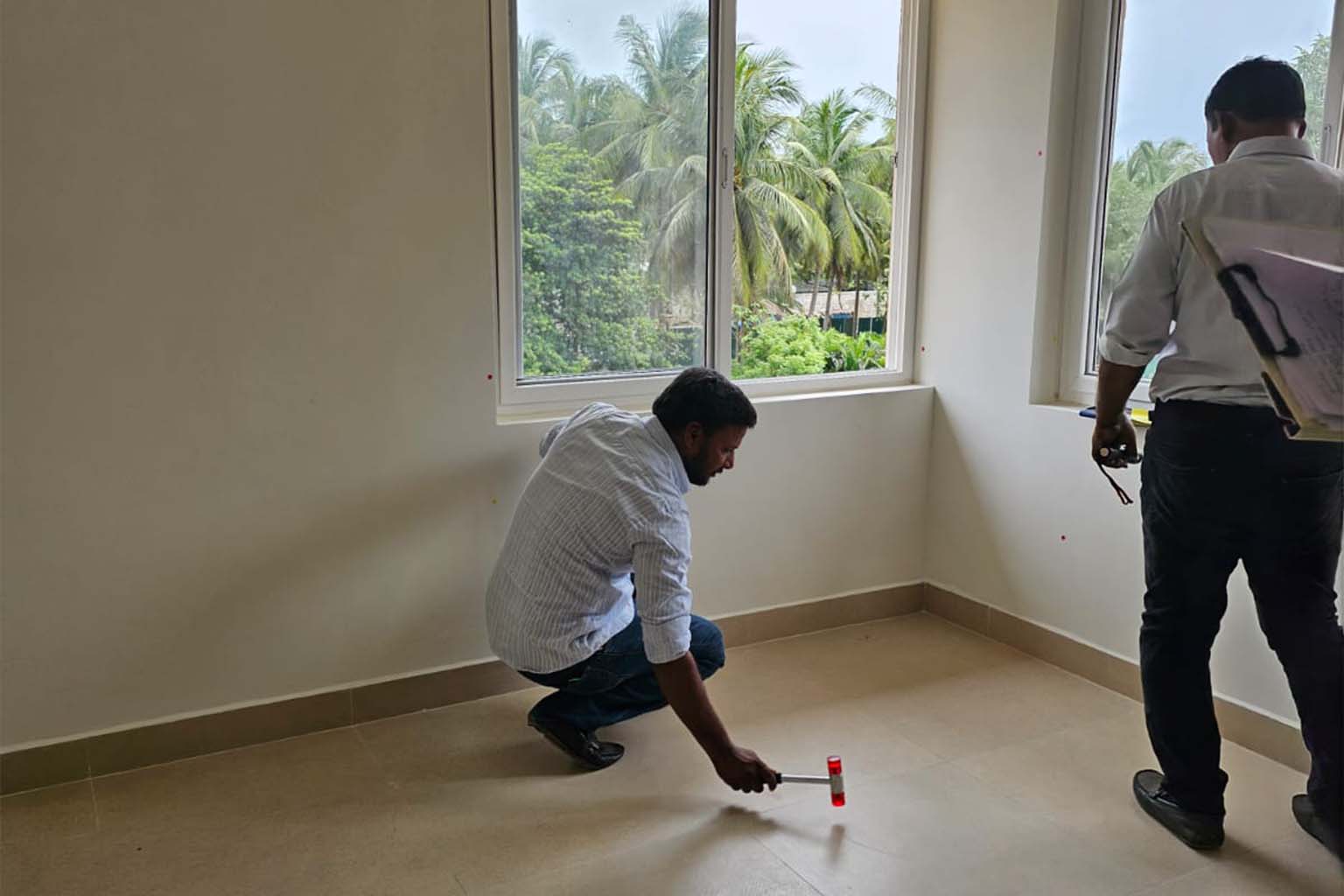

Buying your first home is one of the most exciting — and most nerve-wracking — experiences of your life. Between negotiating prices, dealing with lawyers, arranging finance, and trying to understand a mountain of paperwork, it’s easy to see why so many first-time buyers treat the home inspection as just another box to tick. It isn’t. A professional home inspection is the single most powerful tool you have for protecting your investment — and this guide will show you exactly how to use it.
If you’ve been searching for home inspections near me, wondering how to find new home inspectors near me, or trying to figure out what home inspection companies near me actually offer — this guide was written specifically for you.
What Is a Home Inspection and Why Do You Need One?
A home inspection is a comprehensive, professional assessment of a property’s physical condition — carried out by a licensed, trained inspector before you finalize your purchase. A qualified real estate inspector examines everything that is visible and accessible: the structure, roof, walls, floors, drainage, plumbing, electrical systems, and more.
The result is a detailed home inspection report — typically 30 to 80 pages of written findings, photographs, severity ratings, and recommended remedial actions — that gives you an objective, expert picture of exactly what you’re buying.
A home inspection doesn’t tell you whether to buy a home. It tells you what you’re buying — and that knowledge is worth far more than the inspection fee.
For first-time buyers especially, a home inspection serves several critical purposes:
- It reveals hidden defects that aren’t visible during a casual property viewing
- It gives you documented leverage to negotiate price reductions or request repairs
- It helps you plan for future maintenance and renovation costs
- It protects you from purchasing a property with serious structural or safety issues
- It gives you confidence — or grounds to walk away — before committing
Step 1: Understanding the Types of Home Inspection Services
Before you search for home inspection services near me, it helps to understand what type of inspection your specific property actually needs. Here’s a plain-English breakdown:
Standard Home Inspection
The baseline service offered by home inspection companies. Covers all visible structural elements, roofing, drainage, plumbing fixtures, electrical systems, insulation, and ventilation. This is the starting point for virtually every property purchase.
Building and Pest Inspection
The gold standard for residential property purchases. Combines the standard building inspection with a specialist pest inspection targeting termite activity, wood borers, and wood decay fungi. Strongly recommended for any standalone house, townhouse, or older apartment building.
New Home Inspection
For brand-new properties purchased off-the-plan or from a developer. Don’t assume new means defect-free — new build inspections regularly uncover construction faults that must be rectified under builder warranty. New home inspectors near me conduct stage inspections throughout the construction process.
4 Point Home Inspection
A focused assessment of four key systems: roof, electrical, plumbing, and HVAC. Often required by insurance companies for older properties before they’ll issue a policy. If your insurer asks you for a 4 point inspection near me, this is what they’re referring to.
Thermal Imaging Home Inspection
Uses infrared camera technology to detect moisture, missing insulation, and electrical faults that are completely invisible to the naked eye. Ideal for any property with suspected water damage, unusual energy bills, or history of renovation work.
Structural Inspection
Conducted by a qualified structural engineer when there are concerns about the building’s load-bearing systems, foundations, or frame. More specialist and more expensive than a standard inspection — but essential when structural integrity is in question.
Step 2: Finding Licensed Home Inspectors Near You
Searching for licensed home inspectors near me or home inspection companies near me returns many results. Here is how to separate genuinely qualified inspectors from those who are simply good at marketing:
6 Things Every Quality Inspector Must Have |
✓ Current licensing or certification from a recognized inspection authority |
✓ Professional indemnity insurance AND public liability coverage — ask for proof |
✓ A sample inspection report you can review before booking — minimum 30 pages with photos |
✓ Specific experience with your property type (house, apartment, new build, heritage) |
✓ Modern inspection equipment including moisture meters and ideally thermal camera |
✓ A clear policy welcoming buyers to attend the inspection in person |
When comparing best home inspection companies near me, look beyond star ratings. Read the detailed reviews and look for specific mentions of thoroughness, report quality, and the inspector’s willingness to explain findings. These qualitative signals matter far more than a generic five-star average.
Step 3: What Happens During the Inspection?
A standard home inspection for an average-sized property takes 2 to 4 hours. Here is what a thorough inspector examines:
Area Inspected | What the Inspector Checks | Common Findings |
Roof | Materials, flashings, gutters, downpipes, skylights | Cracked tiles, rusted flashings, blocked gutters |
Structure & Frame | Walls, floors, ceilings, subfloor, load-bearing elements | Cracks, settlement movement, moisture damage |
Electrical System | Switchboard, wiring, outlets, safety switches | Outdated wiring, missing RCDs, overloaded circuits |
Plumbing | Pipes, fixtures, drainage, hot water system | Leaks, low pressure, aging hot water units |
Roof Space / Attic | Insulation, framing, ventilation, signs of moisture | Missing insulation, condensation, vermin entry |
Subfloor | Frame condition, drainage, ventilation, pest evidence | Timber rot, termite activity, moisture |
Exterior | Cladding, windows, doors, paths, retaining walls | Cracking, water penetration, settlement |
Garage & Outbuildings | Structure, electrics, doors, drainage | Substandard wiring, drainage issues |
Step 4: Reading and Using Your Home Inspection Report
Your home inspection report is the most important document in the property purchase process — more immediately actionable than the contract of sale. Here’s how to get maximum value from it:
Understanding Severity Ratings
Quality home inspection reports categories findings by severity. Typical categories include:
- Safety Hazard — Immediate risk to health or life. Must be addressed before occupancy.
- Major Defect — Significant issue requiring urgent attention and specialist repair. Use for price negotiation.
- Minor Defect — Present issue that should be repaired but is not urgent. Budget accordingly.
- Maintenance Item — Normal wear and deterioration requiring routine upkeep. Plan for ongoing costs.
Using the Report to Negotiate
Don’t treat your inspection report as simply a list of problems. It is a professional, documented basis for negotiation. When a licensed home inspection company identifies major defects, you can:
- Request the seller fix specific items before settlement at their cost
- Negotiate a price reduction equal to the cost of remediation
- Ask for a specialist report (engineering, pest management) at the seller’s expense
- Exercise your inspection clause to withdraw from the contract in serious cases
Buyers who use inspection findings as a negotiation tool typically recover 3 to 8 percent of the purchase price — many times the cost of the inspection itself.
Step 5: Common First-Time Buyer Mistakes to Avoid
✓ Smart Buyer Moves | ✗ Costly First-Time Mistakes |
Book an independent inspector — not one recommended by the selling agent | Skipping inspection to save money or speed up the deal |
Attend the inspection in person and ask questions freely | Accepting the cheapest quote without checking credentials |
Read the full report, not just the executive summary | Not attending the inspection and relying only on the report |
Get specialist follow-up on any major findings before settlement | Ignoring major findings to avoid conflict with the seller |
Use findings as negotiation leverage — this is normal and expected | Waiting until after exchange to book your inspection |
Book inspection as early as possible in the purchase process | Assuming a new build doesn’t need professional inspection |
Why SnagMash360 Is the Right Choice for First-Time Buyers?
At SnagMash360 (snagmash360.in), we understand that buying your first home is one of the biggest decisions of your life. That’s why our certified inspectors take the time to explain every finding clearly, welcome buyers to attend inspections, and deliver comprehensive reports that are genuinely useful — not just a template checklist.
Frequently Asked Questions for First-Time Buyers
Can I skip the home inspection to speed up the purchase?
This is one of the most expensive mistakes a first-time buyer can make. Skipping a home inspection to speed up or simplify a deal removes your single most important protection against hidden defects. Even in competitive markets, most sellers will accommodate a reasonable inspection period.
What if the inspection reveals serious problems?
This is exactly what the inspection is for. Serious findings give you options: negotiate a price reduction, require repairs, seek specialist assessments at the seller’s cost, or withdraw from the contract if your inspection clause allows. Knowledge is always better than a costly surprise after settlement.
Do I need a pest inspection as well as a building inspection?
For standalone houses and older properties, absolutely. Termite damage is one of the most financially devastating and least visible property defects. A combined building and pest inspection is the standard recommendation for any residential property purchase.
Should I attend the home inspection?
Yes, whenever possible. Being present allows you to see findings firsthand, ask the inspector questions in real time, and develop a much clearer picture of the property’s condition. Any inspector who discourages your attendance is a significant red flag.
How do I find home inspectors in my area?
Search for licensed home inspectors near me and filter results by credentials, sample reports, and detailed reviews. SnagMash360 operates across India and can confirm availability in your area at snagmash360.in.